




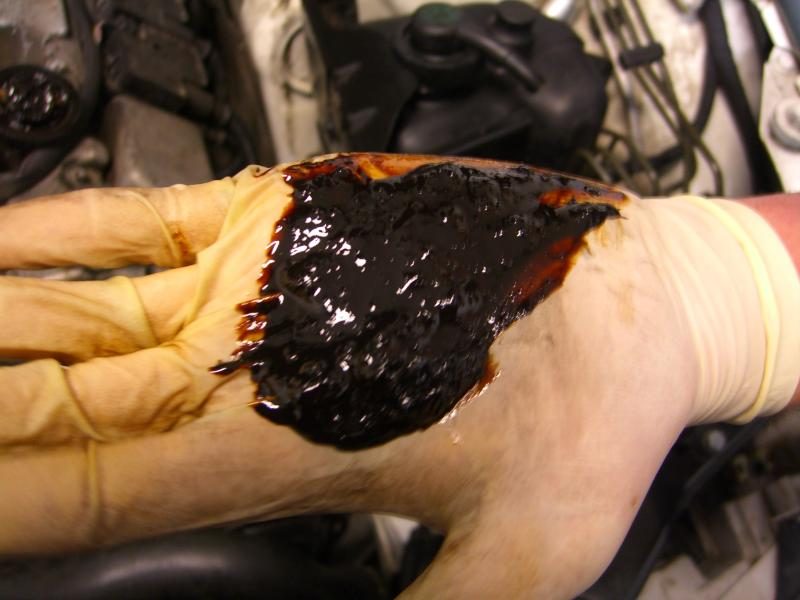
Insoluble deposits (sludge)
Regulations
IEC 60296:2012, Fluids for electrotechnical applications – Unused mineral insulating oils for transformers and switchgear IEC 60422:2013, Mineral insulating oils in electrical equipment – Supervision and maintenance guidance IEC 61203:1992, Synthetic organic esters for electrical purposes – Guide for maintenance of transformer esters in equipment CIGRE Brochure 413:2010, Insulating Oil Regeneration and Dehalogenation IEC TR 62874:2015, “Guidance on the interpretationRead more
Introduction
In electrical transformers, insulation is mainly ensured by the joint use of solid material (kraft paper) and insulating liquids (especially mineral oils) in intimate contact with each other. Mineral oil degrades in service due to conditions of use. In many applications, the insulating oil is in contact with air and is subject to oxidation. High temperatures accelerate degradation.The presenceRead more
Treatments
For defining the priorities of action and choice of countermeasures, it is above all necessary to take the following indicators into account:–type, size, and total mass of electrical equipment; – installation of electrical equipment; – financial value of the electrical equipment and cost of decontamination/disposal; – type and amount of insulating liquid; – concentration of PCBs in electrical equipment; –Read more
Definitions
Sludge (from IEC Electropedia)Mixture of insoluble degradation products which are formed in an insulating liquid as a result of ageing IEV ref 212-18-17 [source]Total sludgeSum of the sludge resulting from the degradation of the oil (insulating liquid) and the papers (solid insulators)Paper, kraft paper, insulating paper, pressboardpaper (from IEC Electropedia) cellulosic paper of certain types, frequently characterized by their relatively highRead more
Diagnosis
For the diagnosis of the "Insoluble deposits (sludge)" criticality, Sea Marconi employs its own diagnostic metrics, namely: visual signs on the transformer (and those from any internal inspection) are interpreted; through analysis of oil, symptomatic indicators and their characteristic values are identified; The limits of the "sediments and sludge" properties indicated in IEC 60422, i. e. 0. 02%, are toRead more
Signs
Signs (visual inspection) The direct visual signs of this criticality are only highlighted by internal inspection of the transformer. In case of failure (or end-of-life) of twin machines, for example, it is good practice to perform a total sludge diagnostic (through sampling, analysis and interpretation) in order to declare the criticality and classify comparative references. In the presence of "insolubleRead more
Causes
“Insoluble deposits (sludge)” criticality is mainly caused by mechanisms of normal ageing and thermal stress of both the oil and the papers. Concauses also include problems of cross-contamination due to improper handling of solvents and transformers. The aforementioned improper practices have an impact on the life cycle of the electrical equipment with insulating fluids: Causes of the "Insoluble deposits (sludge)"Read more
Prevention
"Insoluble deposits (sludge)" are the result of an extremely complex and prolonged phenomenon that develops during the life cycle of the oil and of the transformer. Deposits and sludge resulting from oil and from papers cannot be removed by the normal means of oil treatment (physical treatment, regeneration, etc. ) listed in Table 5 of IEC 60422. It is likeRead more
Warnings
Sampling of oil, and even more so of papers, must be carried out by qualified operators according to protocols and procedures laboratory analyses must be carried out using methods set by reference standards, as guaranteed by accredited laboratories actions to prevent the "Insoluble deposits (sludge)" criticality, namely oil depolarisation treatments and internal transformer inspections must be carried out using technologiesRead more
Symptoms
Symptoms (analysis) Due to intimate contact with the papers, insulating oil becomes a vector of symptomatic indicators of the criticality. Through oil analysis it is therefore possible to identify and quantify the total sludge. The specific symptom of the "Insoluble deposits (sludge)" criticality is related to the presence in oil of the following diagnostic indicators with non-conforming typical values: SludgeRead more