Electric transformers are key components in any electrical distribution system, used to convert voltage from one level to another (from production to usage). MT/BT distribution transformers are essentially of two types: oil-filled and dry-type. Oil-filled transformers consist of a metal casing containing mineral oil, which serves the function of electrical insulation and heat dissipation, while dry-type transformers can be air-cooled or have windings encapsulated in resin.
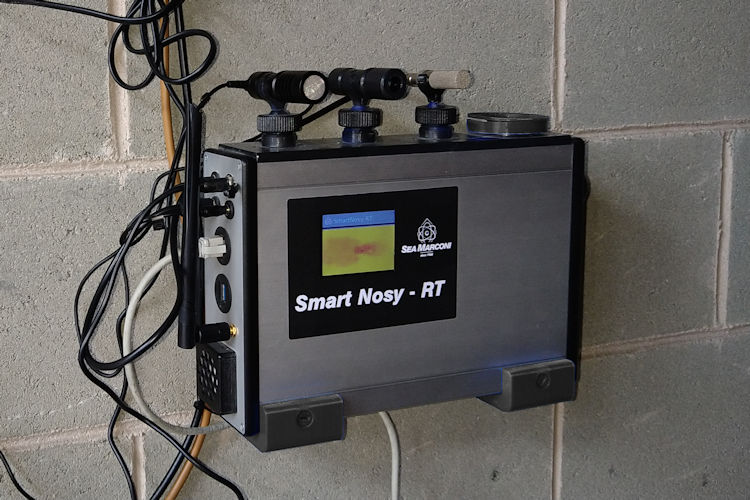
SEA MARCONI is the first company in the world to have developed a monitoring system for the health status of resin transformers: Smart Nosy
-
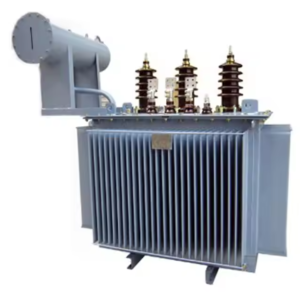
- Trasformatore con olio
-
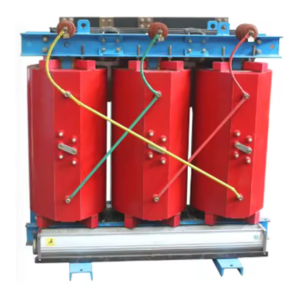
- Trasformatore in resina
How to select the correct transformer type?
The choice of the suitable transformer depends on various factors:
Context of use
Due to the insulating material used (resin vs oil), resin transformers are particularly suitable for environments with high risk of fire or pollution, such as shopping centers, hospitals, chemical industries, and marine applications. Oil-filled transformers are preferred in applications with high voltage and strategic contexts, even outdoors, where high reliability and durability over time are required.
Voltage at play
Oil-filled transformers reach higher powers (production and energy transmission), while resin transformers are used up to voltages of 36 kV for powers of 30 MVA (distribution). Air-cooled transformers usually stop at 20 kV.
Logistic constraints
Thanks to their reduced weight and compact dimensions, resin transformers are easy to transport and install, even in confined spaces. In these contexts, dry-type transformers avoid the double handling of the insulating fluid and the apparatus. Oil-filled transformers can be installed outdoors, while resin transformers require a cabinet or cells to protect them from the weather.
Costs
The cost of the asset, with the same installed power, is essentially comparable between the two technologies. Analyzing the total cost over the life cycle, there is a misconception that oil-filled transformers represent a higher expense due to checks and maintenance, while, with a closer analysis, it should be considered that resin transformers require constant maintenance of the cabinet housing them, since a “dirty” environment significantly affects their operation and consequently the failure rate of the asset. Speaking of costs, there are certainly differences related to installation and mandatory fire safety measures, which are considerably more stringent in the case of oil-filled transformers.
Sustainability
This area is becoming increasingly important in adopting one technological solution over another. Typically, resin transformers are considered a more environmentally friendly choice due to the absence of oil (a potential contaminant of groundwater in case of spills); however, it should be noted that there is an environmentally sustainable alternative, namely natural vegetable fluids (natural esters). Natural esters are almost completely biodegradable and, having a very high flash point, are an extraordinary response to the risk of fire.
Expanding the concept of sustainability beyond environmental aspects, we must mention the end-of-life phase of the asset. We could say that the disposal and replacement phase is simpler for resin transformers, which, however, have a significantly shorter overall lifespan compared to oil-filled transformers.
Monitoring/Maintainability
Here lies one of the main differences between the two types of transformers. Oil-filled transformers allow monitoring through fluid analysis in the laboratory and, for the most important and strategic machines, there are also devices capable of online monitoring of key parameters. Those in resin do not require maintenance, except for the cabinet housing them, and do not allow monitoring of their health status. The absence of maintenance of resin transformers is often seen positively due to a reduction in total operating costs. However, if we connect it to a higher failure rate and the inability to monitor their health status, the main weakness of resin transformers emerges: absence of alert/alarm signals that can improve efficiency in managing the asset and productivity.
Smart Nosy RT, monitoring the health of resin transformers is now possible
After over 10 years of research and development, Sea Marconi has introduced an absolute innovation in the market: Smart Nosy RT, a service for diagnosing and prognosticating the health status of resin transformers.
Smart Nosy RT is a service that includes a highly innovative device capable of “capturing the specific smell” emitted by resin transformers when they have defects or anomalies. These odors, due to volatile organic compounds (VOCs), are captured by special cartridges that are analyzed in the Sea Marconi laboratory using mass spectrometry. The analysis results are then examined together with real-time data collected by sensors positioned near the transformer, defining the diagnostic framework of the service.
All this information can be accessed on a dedicated web platform that represents a synthesis point for constantly monitoring the “vital parameters” of the transformers under examination.