Quite shortly, the activities for the selective depolarisation from corrosive sulfur (on-load and off-load) on 4 step-up transformers and a rectifier at the hydroelectric power station Urrà in Northern Colombia, department of Còrdoba.
The hydroelectric production company Urrà chose the selective depolarisation by Sea Marconi after the failures occurred after passivation. Once again passivation showed to be a ruinous response to the problem of corrosivity of the oils. We point out that the passivator:
- looses through time its protective effect on copper
- it provides a uneven coverage
- and most of all it doesn’t eliminate the cause of the corrosivity, i.e. the DBDS.
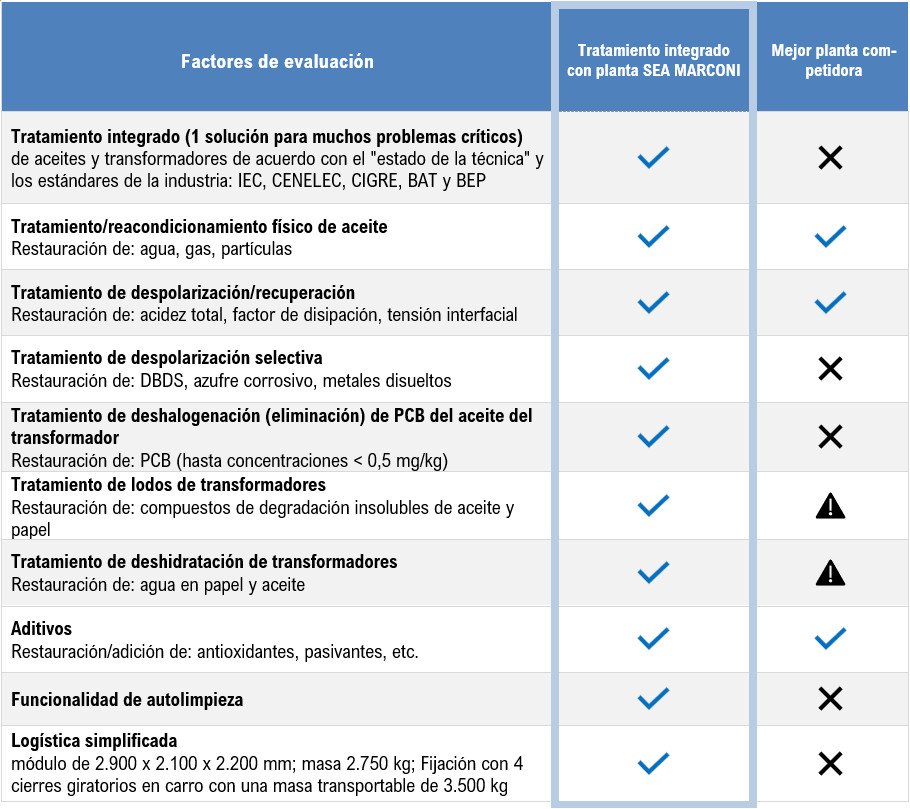
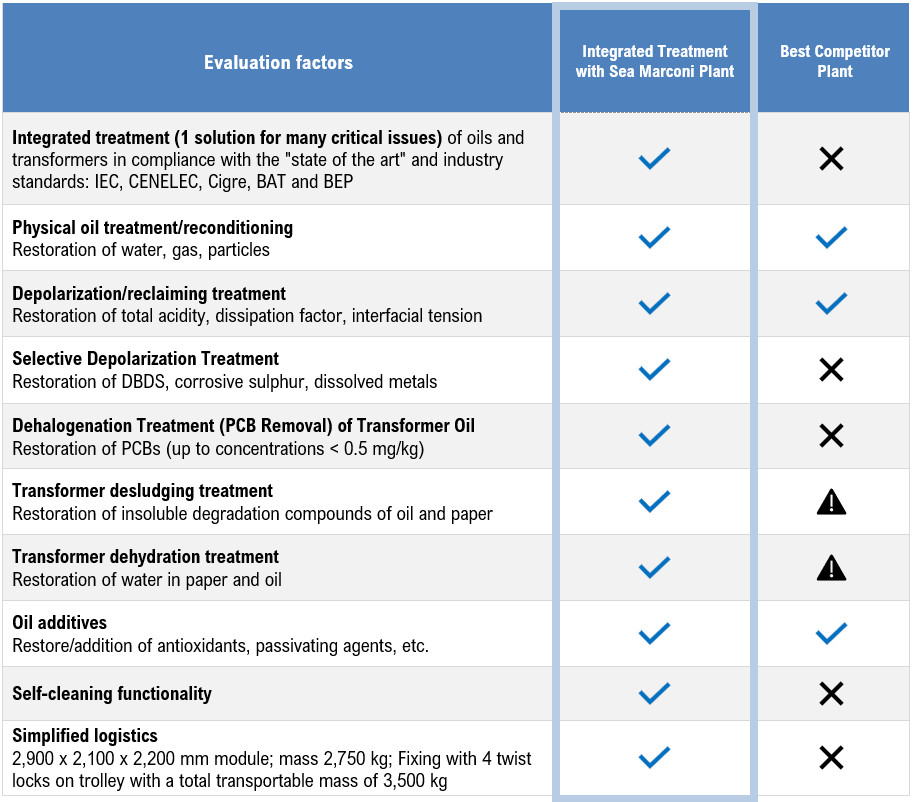
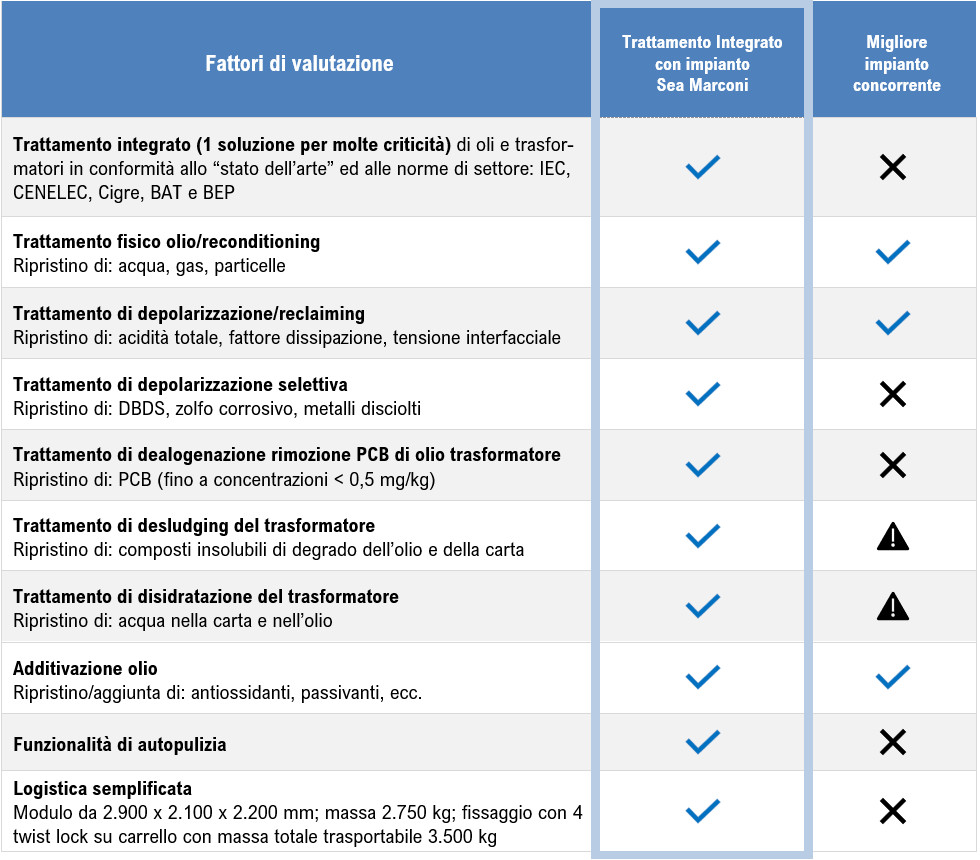
The depolarisation by Sea Marconi is presently the only solution capable of blocking the corrosivity in progress and eliminate the DBDS.
The sustainable solution by Sea Marconi has been preferred also over the change of the oil, which is not only more expensive, but also, in a zone with very strict environmental and landscape limitations (in fact the power station is in a national park), involves unreasonable risks due to the handling and transportation of large amounts of oils.
Instead, thanks to the Sea Marconi processes, the insulating oil inside the equipment stays in operation and, by means of a closed-loop process without an even partial draining of the oil, this is depolarised (besides being degassed, filtered and dehumidified) until the DBDS is fully removed(DBDS < 10 mg/Kg) and the quality of the oil reaches the level that can be assimilated to a new oil.
As mentioned above, the treatments of about 170 tons of oil are going to start shortly lasting about three months. Our engineers are going to be engaged in one of the wildest and uncontaminated areas of Colombia, about 3 hours by car from the nearest town.
Sea Marconi consolidates its presence in South America; our sustainable solutions for the Life Cycle Management (LCM) of electrical equipment with strategic oils have already provided an effective and final response in Chile, Mexico, and most probably, shall continue in Panama and Uruguay.