Insulating fluids used in transformers are evolving rapidly, following a market that demands increasingly eco-friendly products, with low flammability and a longer service life.
Mineral oils are progressively giving way to new ester-based insulating liquids, natural or synthetic, and with them the interactions with the materials present in electrical equipment are changing. Added to this are thermal stresses, often driven by Eco-design regulations, which push toward denser windings and tighter cooling geometries.
Under these demanding conditions, copper, silver or aluminum conductors, solid insulation, resins, varnishes, galvanic finishes, gaskets and elastomers, spacers and shields can interact with the dielectric fluid in unexpected and potentially dangerous ways for the reliability of the equipment and the network.
In the laboratory it is possible to simulate operational thermal stress to identify incompatibilities between materials or to certify the absence of potentially harmful reactions before the asset is put into service.
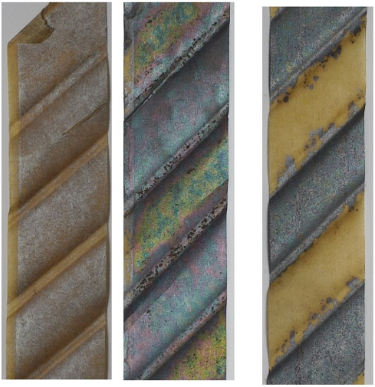
Relying solely on a single component’s technical datasheet is a false sense of security.
Only the assessment of the chemical-physical interaction between the specific fluid and the construction materials under demanding operating conditions determines the actual stability and reliability of the equipment on the network.
The risks of silent incompatibility in electrical assets
Untested chemical interaction between insulating fluid and construction materials can cause three critical phenomena, none of which show symptoms detectable through normal inspection routines:
What SEA Marconi proposes
A technical datasheet for each individual component is not enough: it is the specific chemical-physical combination, under thermal stress, that determines the reliability of the system.
Sea Marconi analyzes this with four testing services, available individually or combined: we select the ones suited to your fluids, your materials and your operating conditions.
The four tests are available individually or combined: we select the ones suited to your fluids, your materials and your operating conditions.
Our specialties
Thanks to the experience gained in post-mortem inspections of failures related to chemical incompatibility, the SEA Marconi laboratory assists the client at every stage of technological validation:

Sea Marconi laboratory numbers
128,000
Analyses performed every year
+250,000
Diagnoses in the Sea Marconi DB
15,000
Diagnoses and comments issued per year
80,000
Transformers in the DB
97% of issued reports carry the ACCREDIA mark. Since 1968, over 3,000 clients in more than 100 countries
Contact us
Do you already have an open case? Tell us about the fluid-material combination that concerns you