On 10th May 2012, at the Belgian Embassy in Tokyo, Sea Marconi responded to the needs of Japan in identifying a solution to the PCBs problem in front of qualified participants coming from industry and the public sector, Sea Marconi teamed with two excellent European companies, the Belgian SITA Decontamination and the Dutch Orion. The three companies formed the consortium EES (European Environmental Solution) to provide the Rising Sun Country with a range of complete solutions as a single interface.
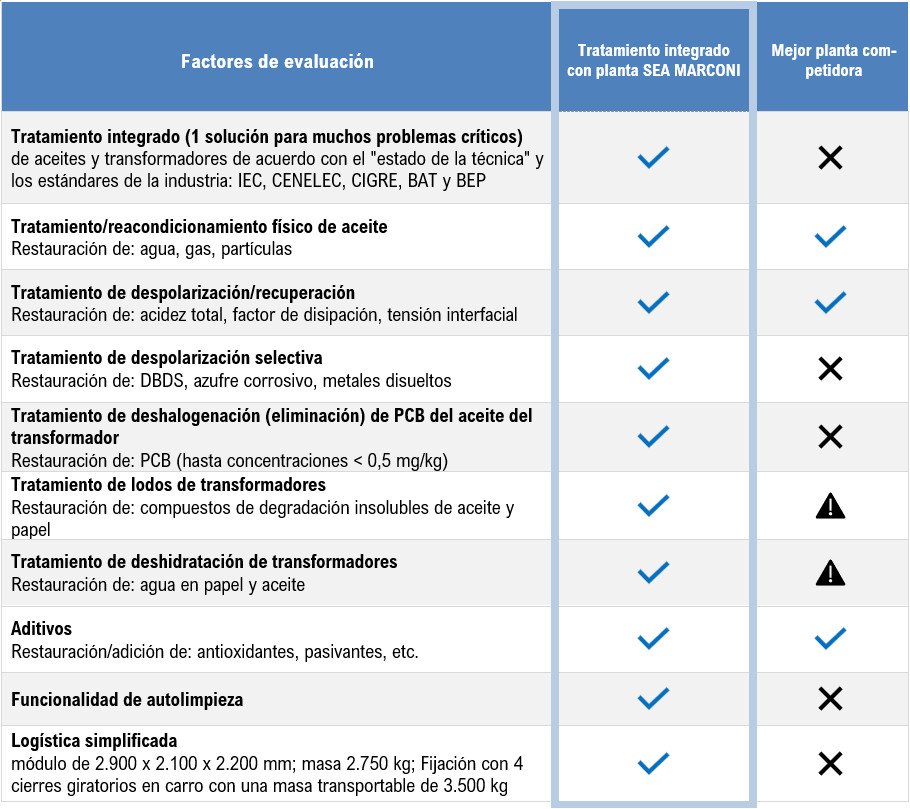
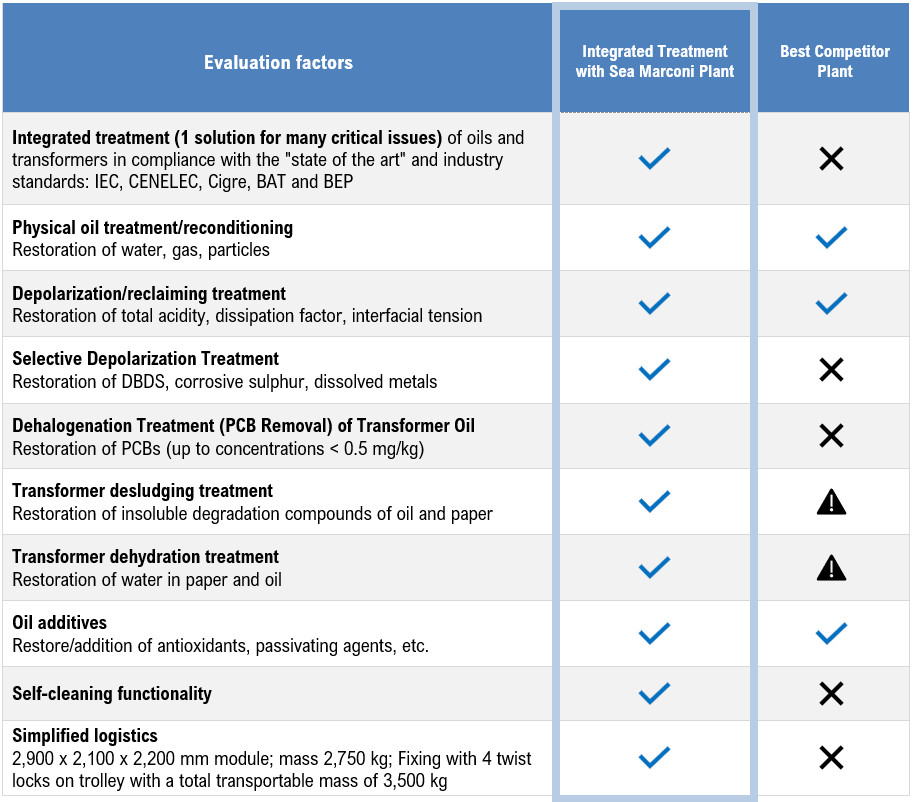
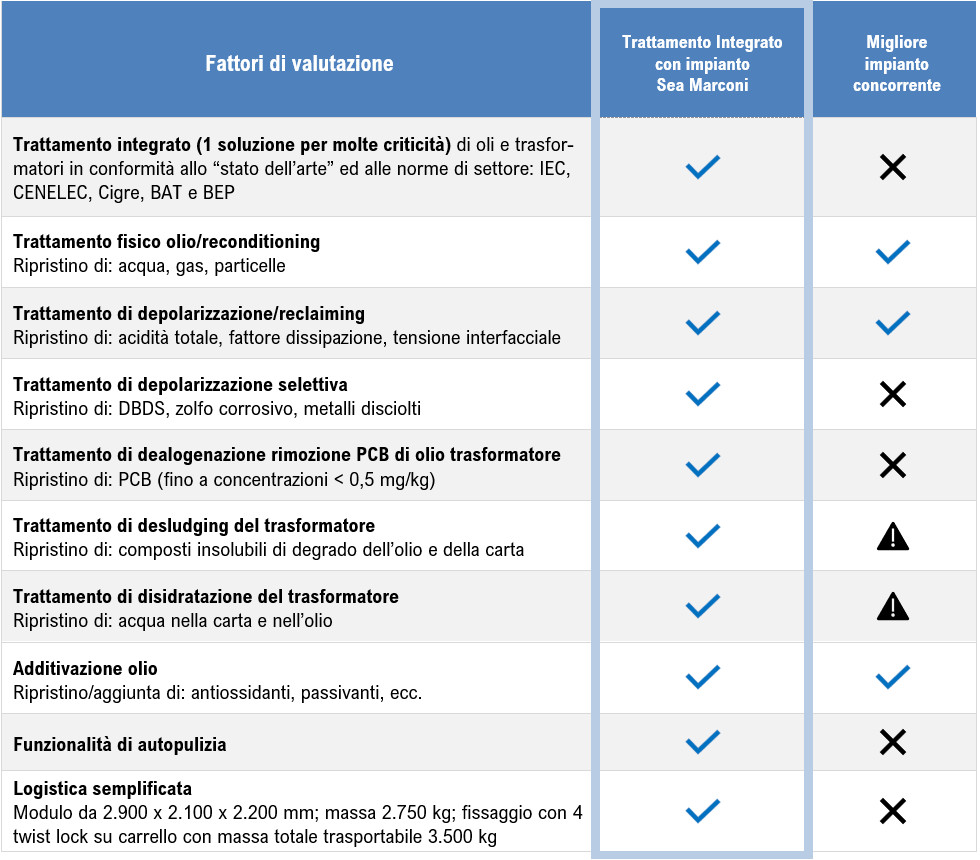
Sea Marconi’s solutions created a lot of interest with a very attentive and competent audience. The line of integrated services based upon BAT/BEP (Best Available Technique/ Best Environmental Practice) for the Life Cycle Management (LCM) of equipment in operation was particularly appreciated. Sea Marconi aims at keeping the transformers in operation by decontaminating them with a proprietary methodology (CDP Process®); in doing this, it is not necessary to dispose of neither the contaminated oil nor the transformer. We are able to reduce the level of contamination to 0.5 mg/kg in compliance with Japanese laws and remove, at the same time, sulphureted compounds like DBDS (corrosive sulphur problem), polar and oxidised compounds as well as those of a chemical-physical nature.
The event of 10th May started, during the days to follow, a series of by-lateral deepening meetings, during which it was possible to analyse in details single cases, providing the basis for interesting co-operations both for Sea Marconi and the Japanese market.
The objective of a PCBs-free Japan by 206, would close a chapter started in 1968, when in the city of Yusho, a contamination by PCBs of rice oil caused by a leakage in a heat exchanger caused a disastrous intoxication involving 31,000 people. This “top event” started the first studies and the first international regulations on PCBs, such as, for example:
- 976 Directive EEC 76/403/EEC regulating the use and the disposal of PCBs
- 1976 Directive 76/769/EEC relative to restrictions on the matter of putting on the market and using dangerous substances
- 1979 Publication on the Federal Register (USA) of the final laws issued by EPA (40 CFR PART/761) about the prohibition s for fabrications and regulations on the detention of PCBs.
Currently, in Japan there are about 6 million transformers and a relevant share looks being contaminated by PCBs. Nowadays, with its extraordinary technical competence, the great attention for the environment and the relevant strict laws in this field, Japan represents for Sea Marconi, born in the same year of the Yusho disaster, a challenge and at the same time an opportunity to be once more a precious ally in fighting against the PCBs.


CHRONOLOGICAL REPRESENTATION OF SOME OF THE MOST IMPORTANT EVENTS RELATED TO PCBs
|
YEAR
1867
1927
1966
1967
1968 October
1969 April
1969 July
1969 September
1969 December
1970 February
1970 March
1970 August
1970 September
1970 October
1970 December
1971 February
|
Some important events related to PCBs
First laboratory synthesis of PCBs by Griefs
Production started in USA by SWAM subsequently incorporated by Monsanto.
Identification of PCBs by Jensen as “X substance”. This substance was designated as such since it was found frequently in wild birds and to that point in time had mysterious origins.
USA. FDA starts researches on PCBs.
Japan. First manifestations in Yusho. 31,000 people intoxicated after the contamination by PCBs of rice oil caused by a leakage in a heat exchanger.
Spill of PCBs from a heat exchanger in Florida (USA) causing the contamination of the Gulf of Escambia.
FDA investigates the contamination of foods by PCBs.
Identified the pollution by PCBs of cow milk in Virginia (USA) and prohibited the sale. The pasture grass was contaminated by herbicide containing PCBs,
A tolerance limit of 0.2 ppm is established for milk.
A tolerance limit is established for food at 0.5 ppm for meat and fish.
PCBs are found in milk in Ohio (USA). It is discovered that the inner wall of siloes containing feedstock for milk cows was painted with PCBs based paints.
PCBs are found in milk all over the USA.
Monsanto voluntarily reduces the sale of PCBs.
The USA Dept. of Agriculture outlaws the use of PCBs and PCTs (Polychlorinated terphenyls) in fungicides.
Chicken contaminated by PCBs (up to 27 ppm max) are found in New York. 550,000 are eliminated. The PCBs were found in the feedstock for animals made with residues of bread and sweets not separated by their packaging containing PCBs.
A tolerance limit of 0.5 ppm is established for poultry. Turkeys from California are contaminated (28 ppm max). First discovery of contamination by PCBs in Japan.
|