EDP, a major European company in the energy sector and the largest industrial group in Portugal, last November 23, 2011 hosted Sea Marconi in order to known its solutions against corrosive sulfur and DBDS.
The meeting was held in Lisbon, in collaboration between Sea Marconi and its Portuguese partner company Trafotech; the participants were senior professionals from different business units EDP: EDP Distribution, EDP Generation and EDP HC, the Spanish utility 100% subsidiary by EDP.
The main theme of the day was the corrosive sulfur problem and more generally the corrosion phenomena; about it I underline that Sea Marconi was the first one (in 2005) to discover the main cause of the corrosion of “young” oils, that is the DBDS (DiBenzylDiSulfide), a non-declared compound added to the oils to improve their oxidation stability. It has been studied, however, that inside the equipment, the DBDS generates devastating corrosions on the copper components and disastrous effects on the insulating papers as well.
The studies, carried out at the international level, and the repeated failure cases, have already decreed strengths and weaknesses of the different responses to the problem of corrosive sulfur present on the market.
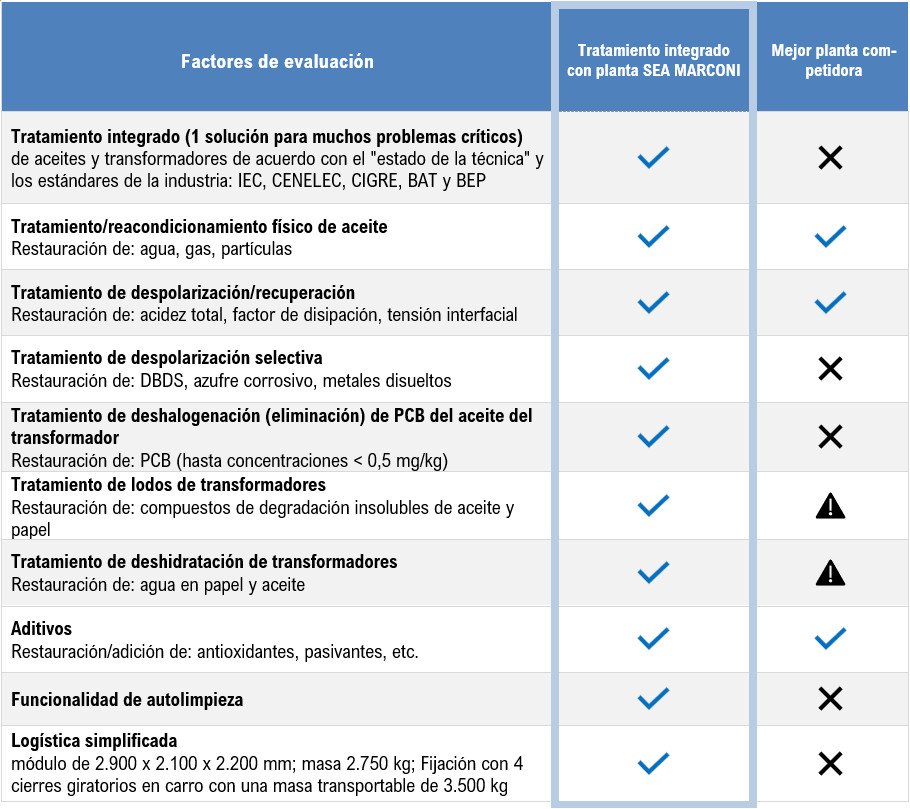
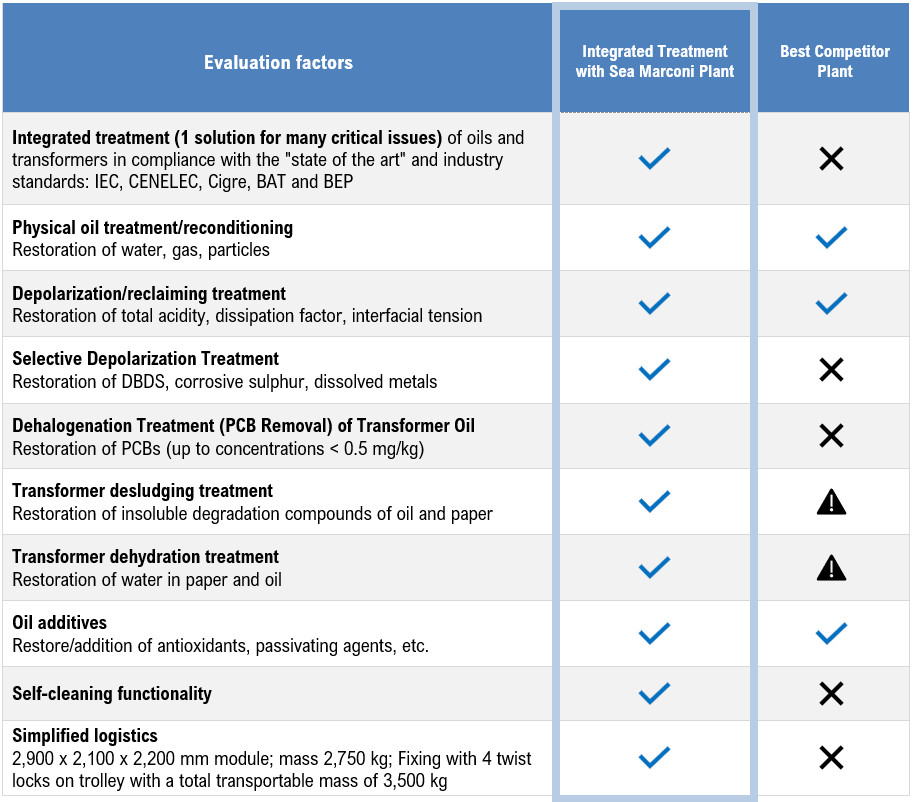
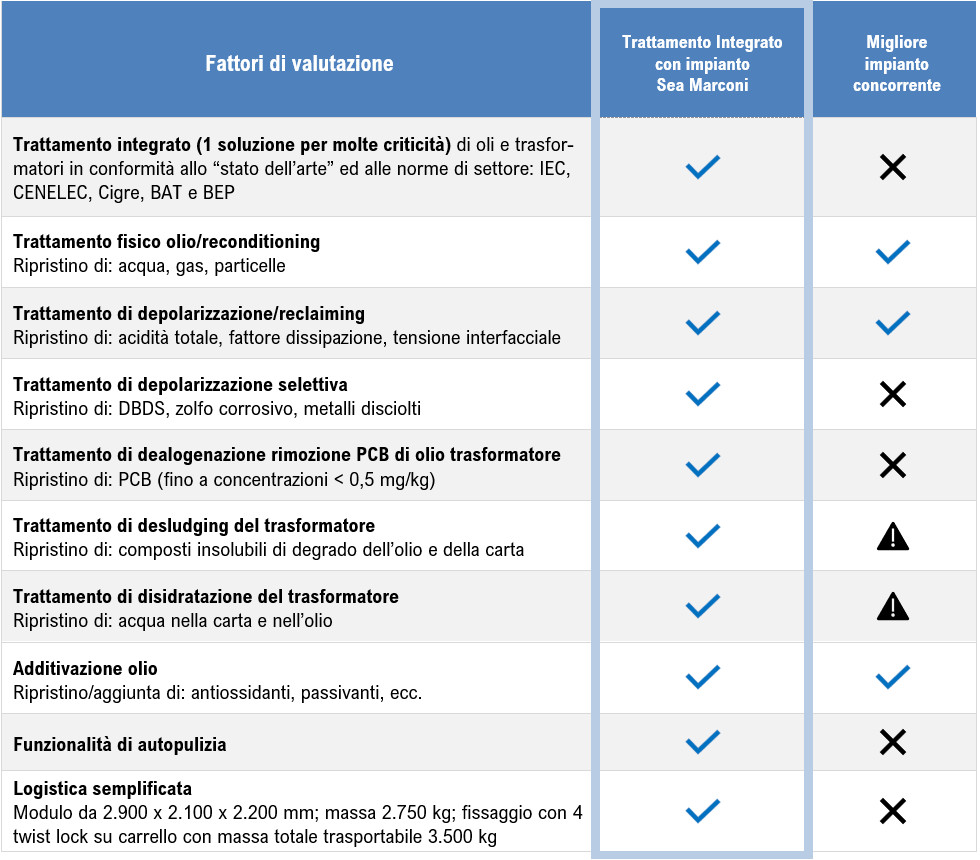
Currently, the Selective Depolarisation process Chedcos® is the only solution really effective and most of all long lasting for the corrosive sulfur problem.
The effectiveness of the Sea Marconi process is the consequence of a sapient mixture of experience, avant-garde technological solutions and laboratory researches; the result of this work is the S/CHEDCOS® reagent, without which Selective Depolarisation would not provide the same results against DBDS and the other corrosive compounds.
The Selective Depolarisation treatment Chedcos® is able to eliminate the DBDS and block the corrosion phenomena. Chedcos® is performed on-site, in closed loop by Sea Marconi’s mobile units (DMU). Our units suck the oil from the bottom side of the transformer, depolarise (S/CHEDCOS® reagent) it and pump it back into the upper side of the equipment. This particular modality creates a constant flow of oil in the transformer favouring the elimination of the contaminants from the papers and the bottom of the tank.