After about two years from the start of the research and development project finalised toward the evaluation of the Selective Depolarisation project used to solve the problem of corrosive sulfur in Brazil, on 28th October 2010, a meeting was held in Rio de Janeiro to share the results of the research.
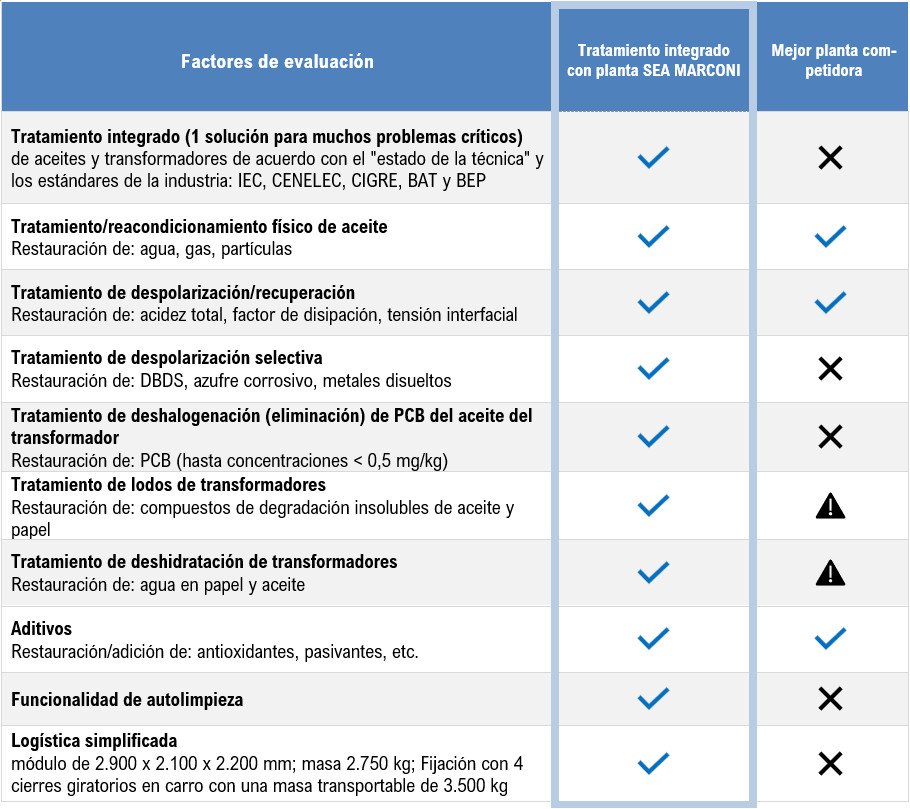
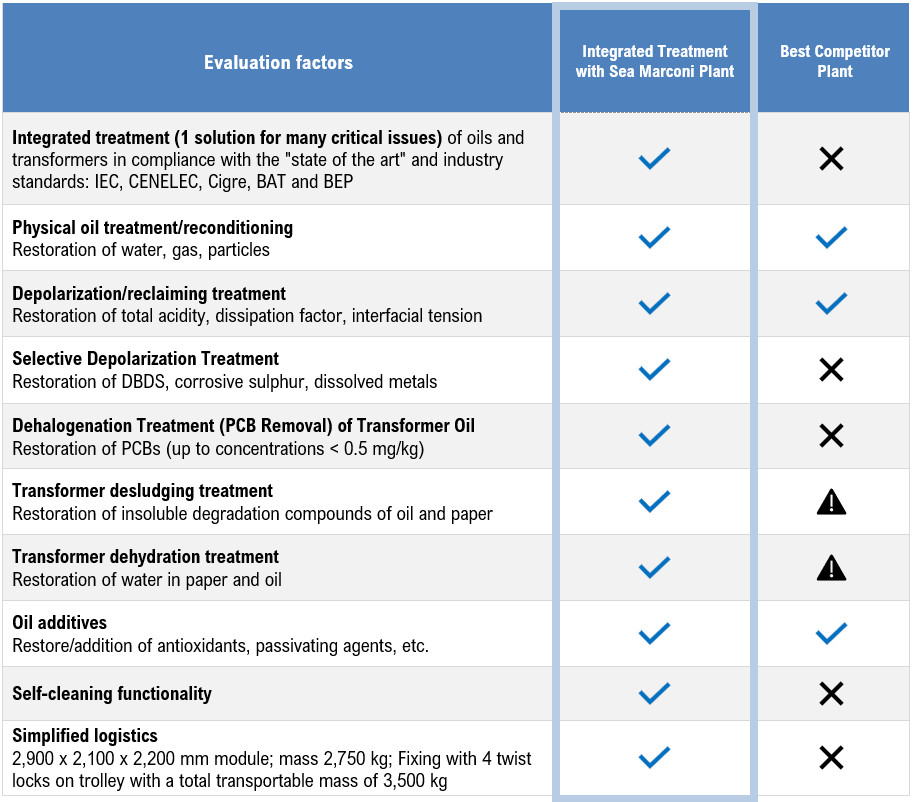
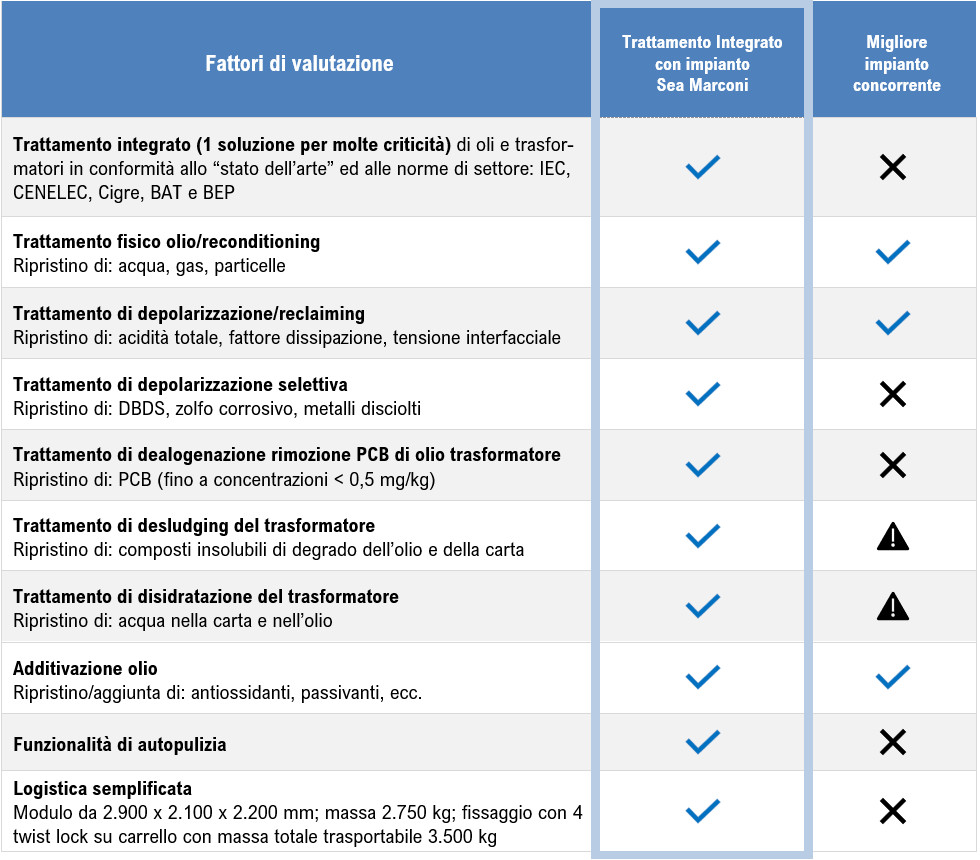
The event has factually validated the Selective Depolarisation process by Sea Marconi (with on-load application) as the best available technique against the problem of corrosive sulfur by DBDS on the transformers and reactors of the Brazilian grid (up to 500 kV) controlled by TAESA. With a clear and full letter of reference in favour of Sea Marconi, TAESA formalised the validation of the Selective depolarisation and the benefits obtained in operational terms, both economically and environmentally.
Let’s take a step backward.


TAESA (Transmissora Aliança de Energia Elétrica S.A.), ex Terna Participações S.A.is currently one of the largest groups for the transmission of electric power in Brazil. After suffering several failures caused by corrosive sulfur and after discovering they had 76 (out of 112) transformers and reactors contaminated by DBDS (totalling 2,093,358 kg of corrosive oil), they decided to implement different countermeasures, including the Selective Depolarisation by Sea Marconi. Prior to procuring a DMU (Decontamination Mobile Unit) from Sea Marconi, other countermeasures were tried on the Brazilian grid: passivation, changing the oil, replacing the windings on the worst contaminated units.
The research and development project, the results of which have been divulged last October in Rio de Janeiro, have evaluated on one side the effectiveness of the Selective Depolarisation process by Sea Marconi, on the other hand it was compared with the alternative solutions mentioned above, both on the technical-functional level and the financial and environmental sides. A synthesis of the project is provided here below.
|
Advantages
|
Disadvantages
|
|
|
PASSIVATION
|
– Low cost and easy to be applied
– It contrasts the formation of copper sulfide (Cu2S)
|
– It doesn’t remove the DBDS from the insulating oil- It doesn’t solve the problem since in TAESA for example, nine reactors were subject to failures in spite of passivation- Need to repeat again the passivation at later stages- Equipment downtime, loss of production and financial costs due to penalties
|
|
CHANGE OF OIL
|
– It eliminates the danger of formation of copper sulfide (Cu2S) since the new oil is DBDS free |
– High cost
-Equipment downtime, loss of production and financial costs due to penalties
– Risk of contamination due to improper stocking of the oil (cross-contamination)
|
|
SELECTIVE DEPOLARISATION
|
t is the method causing the least downtime of the equipment
-Lesser operational risks
– It eliminates the formation of copper sulfide by removing the DBDS from the insulating oil
|
none
|
In summary:
- The Selective Depolarisation process represents an assurance for the removal of DBDS; all the forms of application of the process showed being effective: with energised or de-energised equipment, or with the oil in tanks; the duration of the treatment varies depending upon the type of application.
- The process does not change the chemical-physical properties of the oil. However, it is necessary to add an anti oxidant additive (DBPC) to the oil after the treatment.
- Under an environmental point of view, choosing the change of the oil, especially when thousands of tons of oil are involved, produces a large volume of waste to be disposed of, whereas the Selective Depolarisation process provides in fact the full recovery of the oil, preventing its change.
- Also, still on the environmental side, it must be pointed out that the passivation with BTA can cause environmental problems at the end of life of the equipment.
- On the financial side, the Depolarisation, with respect to the change, has a lower total cost.
- In the TAESA instance (~ 1.100 tons of contaminated oil), the Depolarisation, with respect to the change of oil, saved 1,600,000 Euro (without considering the costs for the disposal and the penalties for loss of supply of power).
- A financial comparison with passivation has not been done, since the latter can only be considered as a temporary solution for the action of the DBDS on copper, but it does not eliminate the DBDS.
- Selective Depolarisation is the option generating the least operational risks: in case of emergency, it is possible to obtain the immediate availability of the equipment.
- With respect to the other measures for DBDS in oil (change of the oil and passivation) it is possible to state that the Selective Depolarisation process represents currently the best available technique and the best environmental practice (in the case of TESA it prevented the disposal of 1,167,000 kg of oil).