- Company
- What we do
- BUSINESS UNITS
- Support for the Management of Transformers and Insulating Fluids
- Monitoring of Fluid and Transformer Health (Analysis, Diagnosis, Prognosis)
- On-site Treatment and Services Activities
- Training courses
- Accessories, fittings, oil sampling kits
- Oil Sampling Kit for hermetically sealed transformer
- Screw-threaded connectors for sampling of oil filled equipment
- Hydraulic connectors for oil sampling – Type Guillemin (Pompier)
- Kit for sampling the oil from the transformer
- ISA – Easy and sustainable sampling inspection Kit for oil immersed transformer
- On-Site Measurement Kit
- Internal inspection of transformer (after failure)
- Special Services Provided by the Laboratory
- Laboratory analysis: methods, techniques and meaning of the tests
- Preparation of sample for DGA analysis (Revolving table)
- DGA EXPERIENCE – Improve the performance of your lab in Dissolved Gas Analysis (DGA)
- Compatibility tests between materialsa and performance testingTOP
- Analytical services for product compliance evaluation
- Interpretation of diagnostic results on corrosion phenomena
- Services for cast resin transformers
- Research and development on behalf a third party
- Design and sale of solutions for oil and transformer treatment
- Support for the Management of Transformers and Insulating Fluids
- SERVICES - PRODUCTS
- Services
- Monitoring the health of fluids and transformers (analysis, diagnosis, prognosis)
- Treatment Activities and On-Site Services
- Diagnostic interpretation of analytical data issued by third-party laboratories – Cover
- DGA EXPERIENCE – Improve the performance of your lab in Dissolved Gas Analysis (DGA)!
- The only health monitoring system for resin transformers (Smart Nosy)NEW
- Products
- Instrument for preparation of sample for DGA analysis (Revolving table)
- On-Site Measurement Kit
- Accessories, fittings, oil sampling kits
- ISA – Easy and sustainable sampling inspection Kit for oil immersed transformer
- Kit for sampling the oil from the transformer
- Oil Sampling Kit for hermetically sealed transformer
- Screw-threaded connectors for sampling of oil filled equipment
- Hydraulic connectors for oil sampling – Type Guillemin (Pompier)
- StabOx, lab instrument for oxidation stability test
- Training
- Specialized Consulting
- Services
- USERS
- Equipment managers/owners
- Monitoring of oils and transformers (analysis, diagnosis, prognosis)
- Treatment Activities and On-Site Services
- Training
- Accessories, fittings, oil sampling kits
- ISA – Easy and sustainable sampling inspection Kit for oil immersed transformer
- Kit for sampling the oil from the transformer
- Oil Sampling Kit for hermetically sealed transformer
- Screw-threaded connectors for sampling of oil filled equipment
- Hydraulic connectors for oil sampling – Type Guillemin (Pompier)
- Global organizations (e.g. UNIDO/UNDP)
- Analysis laboratories
- Insulating fluid producers
- Transformer manufacturers / maintainers
- Equipment managers/owners
- BRANDS
-
-

-
Diagnosis, prognosis, and integrated treatment of pathologies in electrical equipment with insulating liquids
-

-
My Transfo is the European reference point for technical and professional enrichment and updates in the management of electrical equipment with insulating fluids.
-

-
BioEnPro is a combination of technologies aimed at the production of bioenergy and products from primary or residual resources (e.g., urban waste) in a self-sustainable manner, Zero Kilometer, Zero waste, CO2 negative
-
-
- BUSINESS UNITS
- Innovation
- Contacts
- WikiTransfo


- Company
- What we do
- BUSINESS UNITS
- Support for the Management of Transformers and Insulating Fluids
- Monitoring of Fluid and Transformer Health (Analysis, Diagnosis, Prognosis)
- On-site Treatment and Services Activities
- Training courses
- Accessories, fittings, oil sampling kits
- Oil Sampling Kit for hermetically sealed transformer
- Screw-threaded connectors for sampling of oil filled equipment
- Hydraulic connectors for oil sampling – Type Guillemin (Pompier)
- Kit for sampling the oil from the transformer
- ISA – Easy and sustainable sampling inspection Kit for oil immersed transformer
- On-Site Measurement Kit
- Internal inspection of transformer (after failure)
- Special Services Provided by the Laboratory
- Laboratory analysis: methods, techniques and meaning of the tests
- Preparation of sample for DGA analysis (Revolving table)
- DGA EXPERIENCE – Improve the performance of your lab in Dissolved Gas Analysis (DGA)
- Compatibility tests between materialsa and performance testingTOP
- Analytical services for product compliance evaluation
- Interpretation of diagnostic results on corrosion phenomena
- Services for cast resin transformers
- Research and development on behalf a third party
- Design and sale of solutions for oil and transformer treatment
- Support for the Management of Transformers and Insulating Fluids
- SERVICES - PRODUCTS
- Services
- Monitoring the health of fluids and transformers (analysis, diagnosis, prognosis)
- Treatment Activities and On-Site Services
- Diagnostic interpretation of analytical data issued by third-party laboratories – Cover
- DGA EXPERIENCE – Improve the performance of your lab in Dissolved Gas Analysis (DGA)!
- The only health monitoring system for resin transformers (Smart Nosy)NEW
- Products
- Instrument for preparation of sample for DGA analysis (Revolving table)
- On-Site Measurement Kit
- Accessories, fittings, oil sampling kits
- ISA – Easy and sustainable sampling inspection Kit for oil immersed transformer
- Kit for sampling the oil from the transformer
- Oil Sampling Kit for hermetically sealed transformer
- Screw-threaded connectors for sampling of oil filled equipment
- Hydraulic connectors for oil sampling – Type Guillemin (Pompier)
- StabOx, lab instrument for oxidation stability test
- Training
- Specialized Consulting
- Services
- USERS
- Equipment managers/owners
- Monitoring of oils and transformers (analysis, diagnosis, prognosis)
- Treatment Activities and On-Site Services
- Training
- Accessories, fittings, oil sampling kits
- ISA – Easy and sustainable sampling inspection Kit for oil immersed transformer
- Kit for sampling the oil from the transformer
- Oil Sampling Kit for hermetically sealed transformer
- Screw-threaded connectors for sampling of oil filled equipment
- Hydraulic connectors for oil sampling – Type Guillemin (Pompier)
- Global organizations (e.g. UNIDO/UNDP)
- Analysis laboratories
- Insulating fluid producers
- Transformer manufacturers / maintainers
- Equipment managers/owners
- BRANDS
-
-
-
-
Diagnosis, prognosis, and integrated treatment of pathologies in electrical equipment with insulating liquids
-
-
-
My Transfo is the European reference point for technical and professional enrichment and updates in the management of electrical equipment with insulating fluids.
-
-
-
BioEnPro is a combination of technologies aimed at the production of bioenergy and products from primary or residual resources (e.g., urban waste) in a self-sustainable manner, Zero Kilometer, Zero waste, CO2 negative
-
-
- BUSINESS UNITS
- Innovation
- Contacts
- WikiTransfo
Tag: nanosponges

Sea Marconi for Smart Cities, scientific cooperation with the University of Bologna
By seamarconi Comments are Off nanosponges, Smart Cities

Presented the nanosponges, revolutionary bio-materials for an intelligent agriculture
By seamarconi Comments are Off agricolture, biomaterials, nanosponges
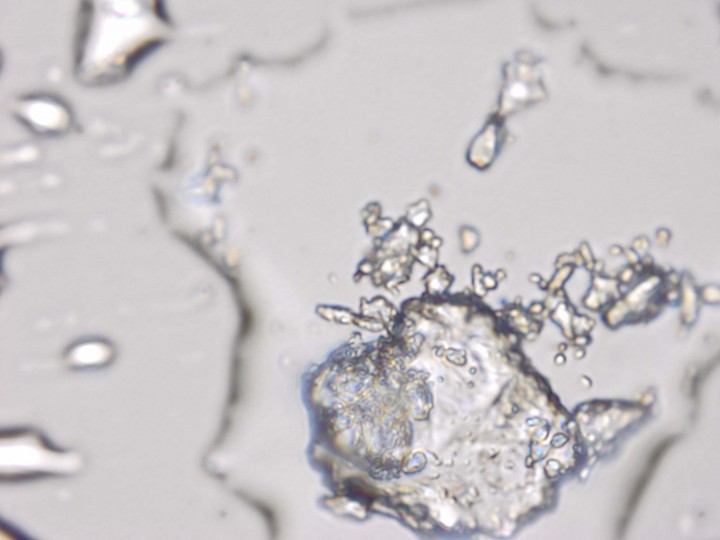
2011 New frontiers for nanosponges: agro-food industry, conservation of flowers and fruits
By seamarconi Comments are Off cyclodextrins, nanosponges
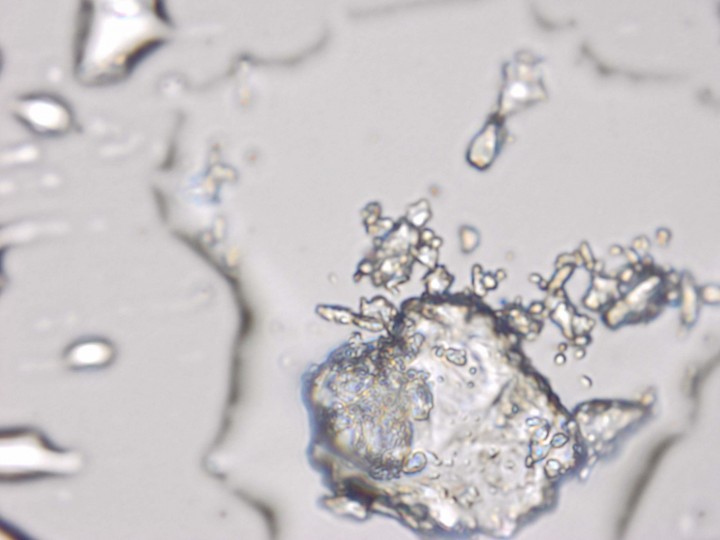
Nanospunges won the prestigious award for Technology of the month in Germany
By seamarconi Comments are Off cyclodextrins, nanosponges
Contact us to learn more about your case
Critical issues
- Corrosive sulfur with DBDS (C1)
- PCBs in oil and transformer
- Chemical degradation of oil
- Degradation of insulating papers
- Water in transformer (paper and oil)
- Insoluble deposits (sludge)
- Corrosive sulfur without DBDS (C2)
- SF6 in oil – Bushing seal defects
- Corrosive sulphur from sulfur combustion by-products (C3)
- Corrosion through dissolution of metals (C4)
- All critical issues…
Services
- Oil analysis and transformer diagnosis
- Oil physical treatment
- DGA EXPERIENCE – Laboratory performance improvement
- Depolarisation against corrosive sulphur in oil
- Filling the transformer with oil
- Dehalogenation (removal) of PCBs in oil
- Removal (depolarisation) of acidity of oil
- Dehydration or drying of transformer (paper/oil)
- Internal transformer inspection
- All services…
Products
- SmartNosy RT – Health state monitoring of cast-Resin Transformers
- Kit to measure total corrosive sulphur on site
- Kit for on site screening of PCB in oil
- Kit for sampling the oil from the transformer
- Revolving table for preparing samples for DGA analysis
- Oil Sampling Kit for hermetically sealed transformer
- Hydraulic connectors for oil sampling – Type Guillemin (Pompier)
- StabOx, lab instrument to support the high-precision oxidation stability test
- All products…
Sea Marconi Technologies sas | via Ungheria 20, 10093 Collegno (TO), Italy
Tel +39 011 234.34.34 | Fax +39 011 234.34.35 | e-mail info@seamarconi.it
P. IVA 00889150017