Sea Marconi’ history begins in 1968 and is characterised by very important events and discoveries in the domain of PCBs (Polychlorinated biphenyls) and Dioxins. Let’s think, for example, of the sadly notorious case of Seveso of 1976, the objectives of the Convention of Stockholm on POPs and the future challenges of the XXI century.
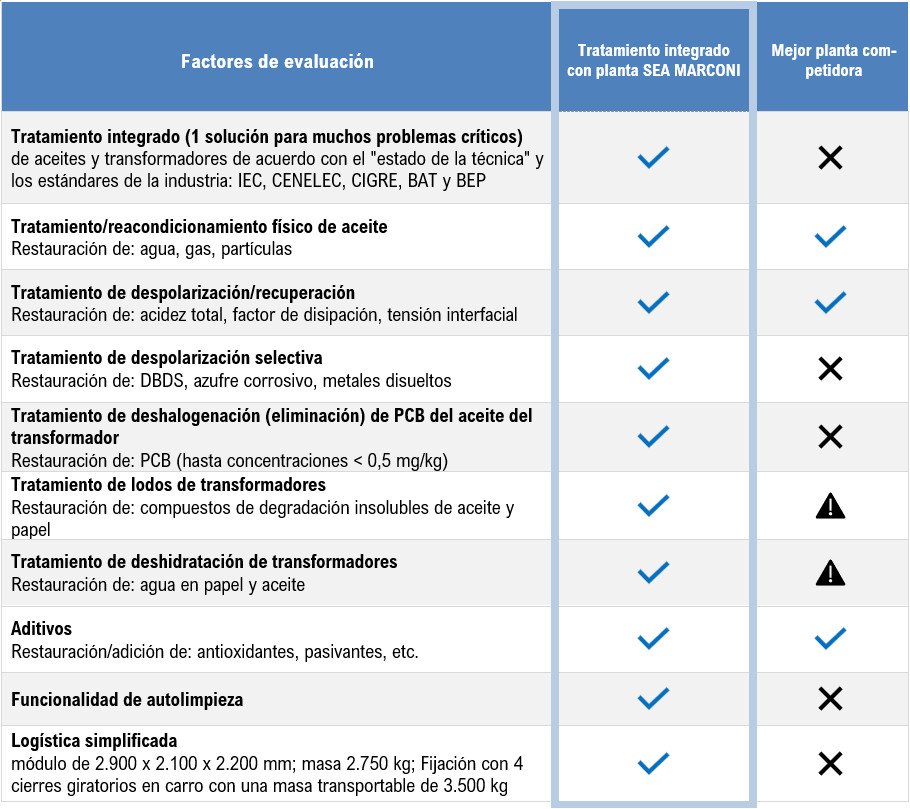
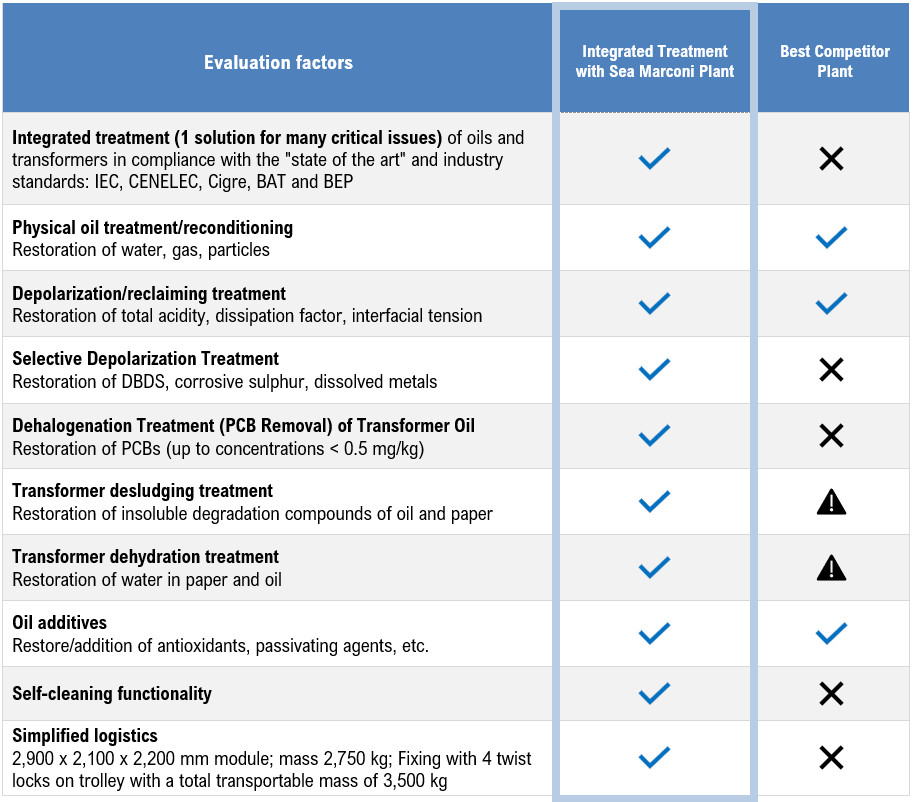
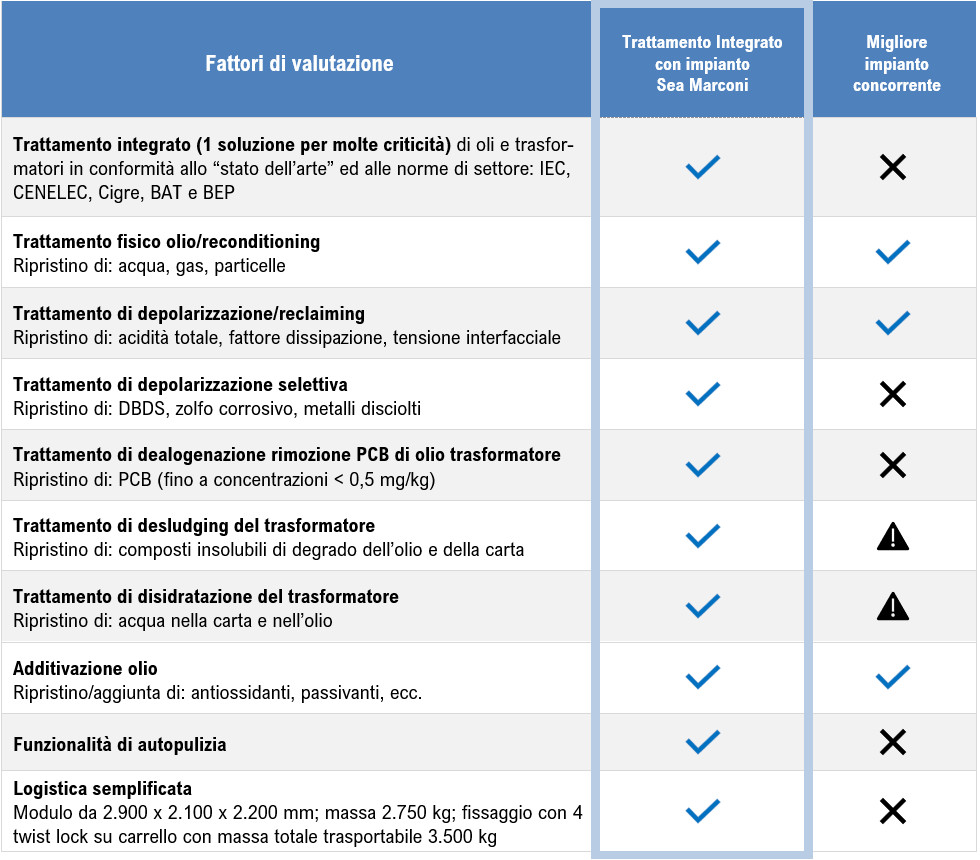
Sea Marconi’s modus operandi is an integrated approach to the management of the oil and PCBs in electrical equipment such as transformers, strategic elements in the production, transportation, distribution and use of electric power worldwide. In this domain, Sea Marconi has been a key player creating pioneering solutions at worldwide level contributing to the creation of norms and legislations (national and international), which, nowadays, thanks indeed to Sea Marconi, include procedures and techniques capable of giving really effective “sustainable” responses toward the environment and public health.
The landmark steps about PCBs and dioxin
1979
With the CODET-PCB Sea Marconi offers integrated responses for the inventory, controlled possession, management and decontamination of equipment with PCBs
1982
First patented CDP Process® by Sea Marconi for the decontamination of equipment with systems for the dehalogenation/detoxification of PCBs, PCDD-dioxins, PCDF-furans.
1983
First in the world to validate experimentally with a full success, in laboratory and in the field, the dehalogenation and the detoxification of the most dangerous dioxin known, the so-called Dioxin of Seveso (2,3,7,8 TCDD-Tetrachlorodibenzo-p-dioxin). The discovery occured at the European Common Research Center of Ispra- in the Department for Environmental Sciences coordinated by Prof. Sergio Facchetti.
Sea Marconi was the worldwide pioneer in validating in the field the CDP Process® on components highly contaminated by the “Seveso Dioxin” (2,3,7,8 TCDD) spread by the explosion in 1976 of the reactor A101, shop B of ICMESA SpA in Meda (Milan) *
A synthesis of the results of this application were officially presented in the meeting held in Milan on 20th-21st-22nd September 1984. Additional applications at industrial level have been subsequently presented in Europe and USA (DIOXIN99).
1984
Starting in 1984, the CDP Process® has been improved with additional international patents and implemented in over 50 Countries.
2007
The CDP Process® was classified by the Ministry of the Environment (D.M. 29/01/2007) as the best available technique for the decontamination of equipment with PCBs, particularly on transformers contaminated by PCBs in operation and under load.
NOWADAYS
The CDP Process® is classified as BAT (Best Available Technique)/ BEP (Best Environmental Practice) in the UNIDO international projects financed by GEF, supporting Developing Countries to reach the objectives of the Convention of Stockholm. Among these Countries there are, for example, Mongolia and Macedonia, to which Sea Marconi supplied a very advanced system for the decontamination of oils contaminated by PCBs.
With the same principles, Sea Marconi has developed the “PCB free Program”, being implemented in Africa, Asia, Central and South America. It is an integrated solution (inventory services, control and monitoring with analyses and diagnoses; decontamination procedures and technologies) finalised toward the Life Cycle Management (LCM) and decontamination of transformers with oil and PCBs.
On the front of the fight against dioxins and PCBs, Sea Marconi can be defined with full rights as an example of excellence in innovation taking from Italy its “sustainable solutions” in the whole world indeed. Click here read more
*Le attività di decontaminazione avvennero sotto la supervisione dell’Ufficio Speciale di Seveso (senatore Luigi Noè), della Regione Lombardia (presidente Guzzetti), dell’Istituto Superiore della Sanità (prof. Pocchiari) e dei delegati della Hoffmann-la Roche (capogruppo della società Svizzera Givaudan & C. di Vernier S.A controllante la ICMESA sa di Milano).