In mid-December 2013, Sea Marconi responded with pride to the invitation to go to Russia to offer support in managing the PCBs problem, with respect to the Stockholm Convention. The activity was born under the auspices of UNIDO, but a local operator already exists charged with the development of a pilot project on the contaminated (and non) equipment of the railway network of the Russian federation.
Rossijskie železnye dorogi (Russian railways) represent one of the largest global transportation company, with over 1,200,000 employees, about 85,000 km of tracks and hundreds of thousand pieces of electrical equipment with insulating fluids.
The choice of the railway network is strictly linked to its impact on the territory and the obvious consequences both for the environment and social. This is the reason that president Putin put forward at the Duma last year. The priority about the railways is part of the largest implementation of the Stockholm Convention as a concrete environmental protection.
It’s easy to imagine how the railways network represents a strategic infrastructure for Russia, thus investments for 120 billion € are envisaged in 5 years.
Loss Prevention & Environmental Protection
Sea Marconi has been picked-up for the 45 years of success in the management of transformers and other electrical equipment with oils contaminated by PCBs, and in particular for the most recent projects dealt with in this field on behalf of world organizations.
The meeting in Russia created the basis for a possible partnership with the local operator in charge and end with an agreement for the first supply, and relevant training for the its use, of the new kit recently developed by Sea Marconi: the kit SM-TCPs (Total Chlorine and PCB screening). This kit, part of the new line Smart field test, represents an innovative solution for the field determination, also by non-chemist personnel, of the contamination by PCBs of the oils filling electrical equipment.
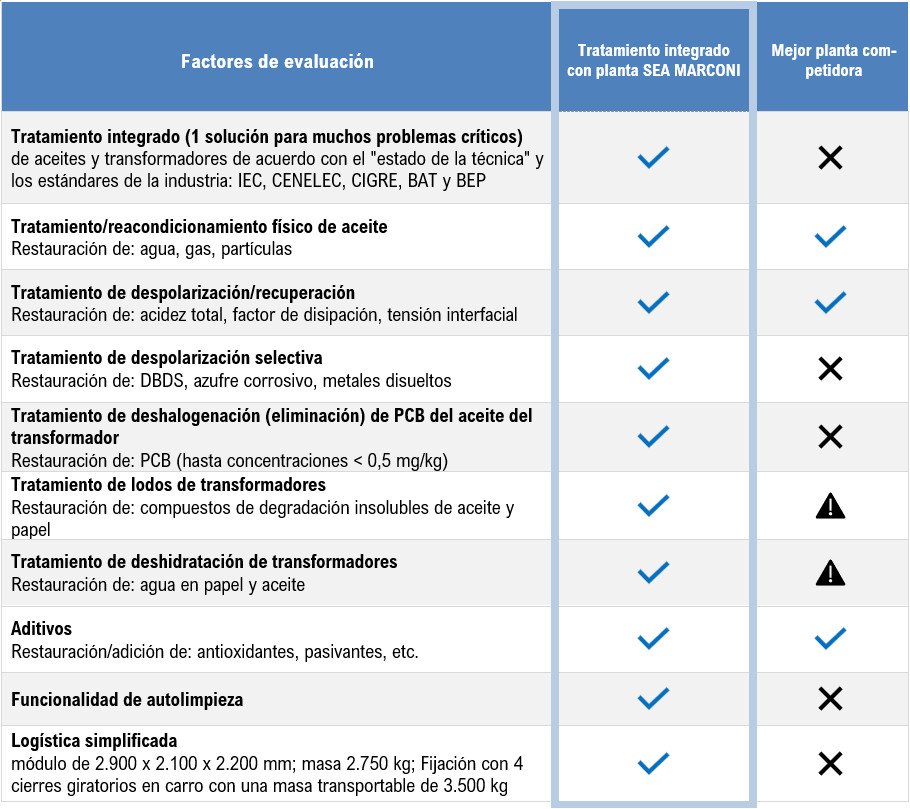
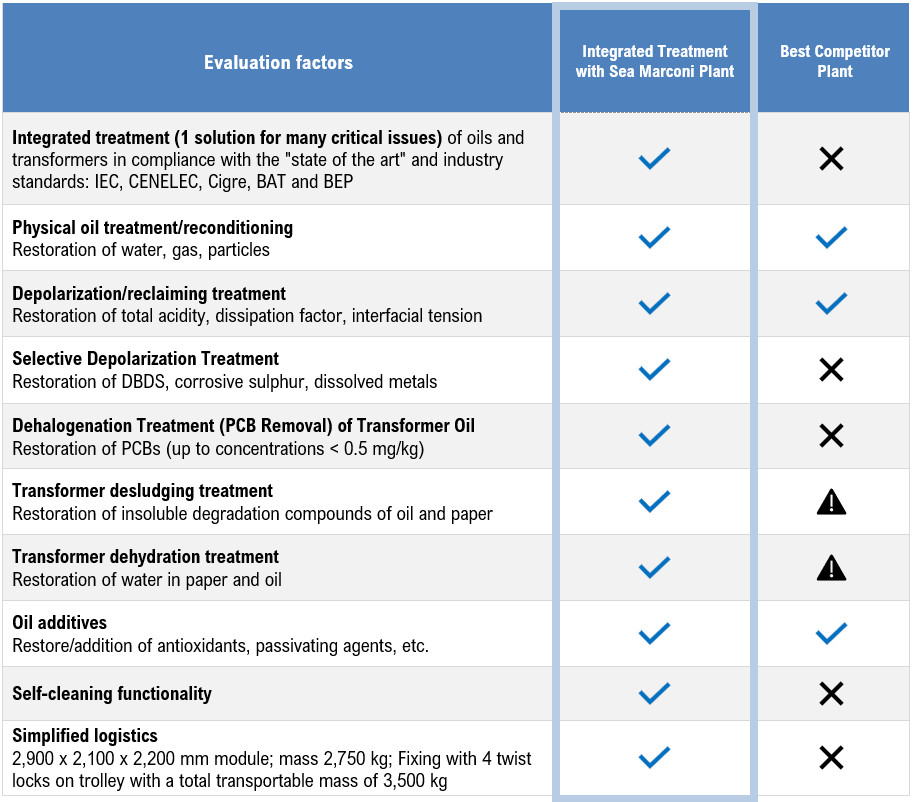
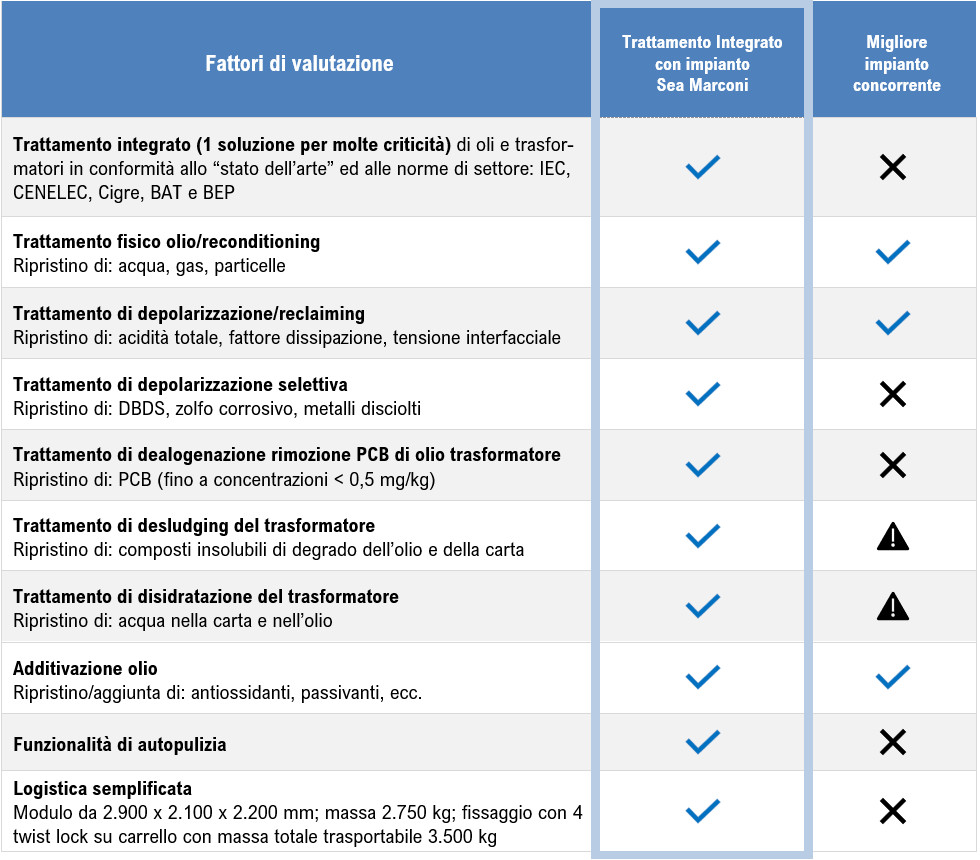
The SM-TCPs kit has been chosen because it is the ideal instrument to perform the Life Cycle Management (LCM) activities including the inventory, monitoring, management, decontamination and/or disposal of electrical equipment with insulating oils containing PCBs; it complies with the European Directive (96/59/EC) for the use of the best available techniques (BAT) -96/61/EC and best environmental techniques (BEP). Moreover, it complies with the Stockholm Convention on Persistent Organic Pollutants (POPs) – 2001 and technical norms IEC 60422 Ed.4-2012, CENELEC CLC / TR 50503 February 2010, CIGRE 413 April 2010.