Scenario
Transmission utility in the Middle East with a fleet of strategic transformers (380 kV, up to 500 MVA), operating under high load and extreme climatic conditions.
A diagnostic campaign highlighted the widespread presence of DBDS and corrosive sulfur compounds in the insulating oils, with potential risk of metallic sulfide formation and consequent failures.
Technical characteristics
- 22 units (transformers, autotransformers, reactors)
- Power rating: 60–500 MVA
- Voltage: 380 kV
- Total oil: approx. 1,710,000 kg; up to 130,000 kg per unit
Problem
Analyses revealed initial concentrations of DBDS between 135 and 171 mg/kg and TCS up to 189 mg/kg.
According to CIGRE guidelines, such values combined with high temperatures and heavy load result in a high risk of corrosion and dielectric degradation.
The utility required an effective long-term solution compatible with service continuity.
 Solution
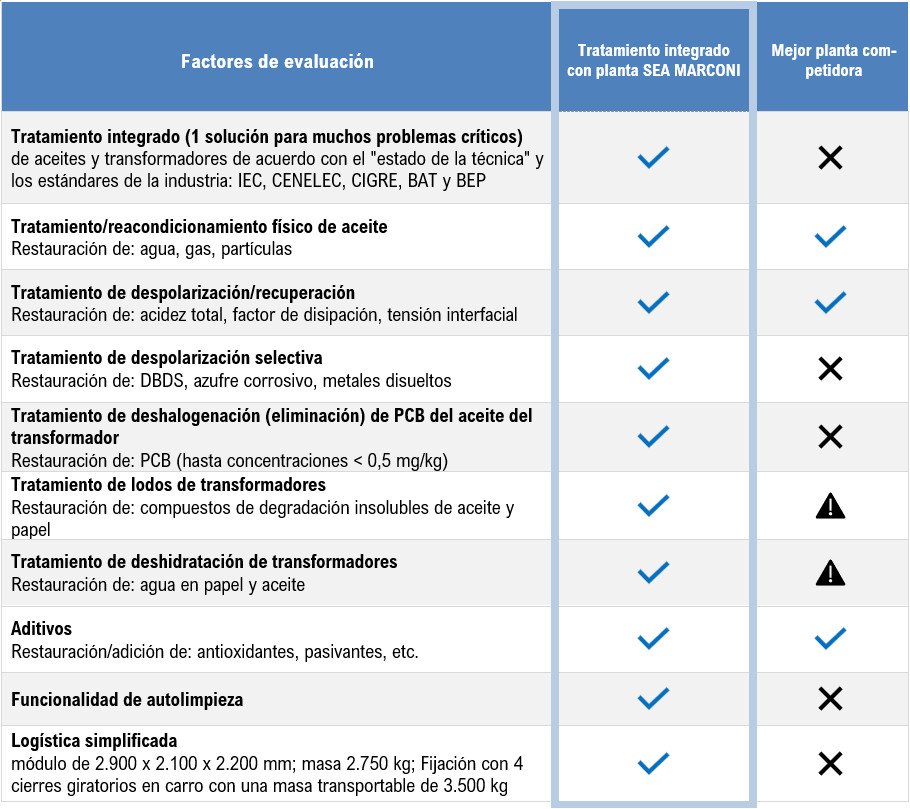
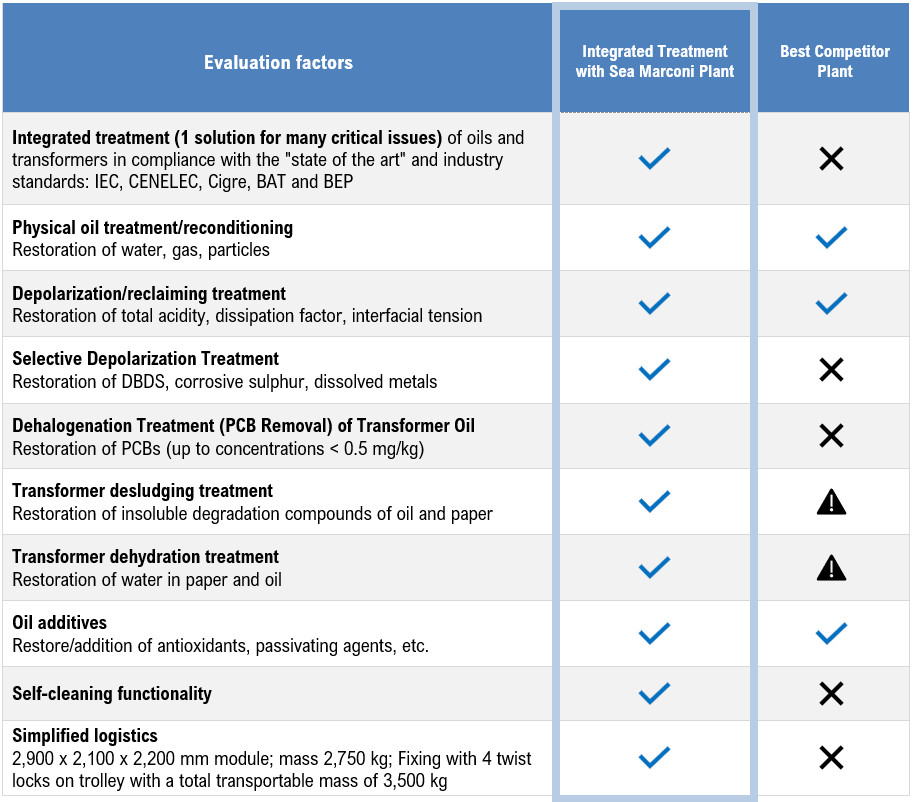
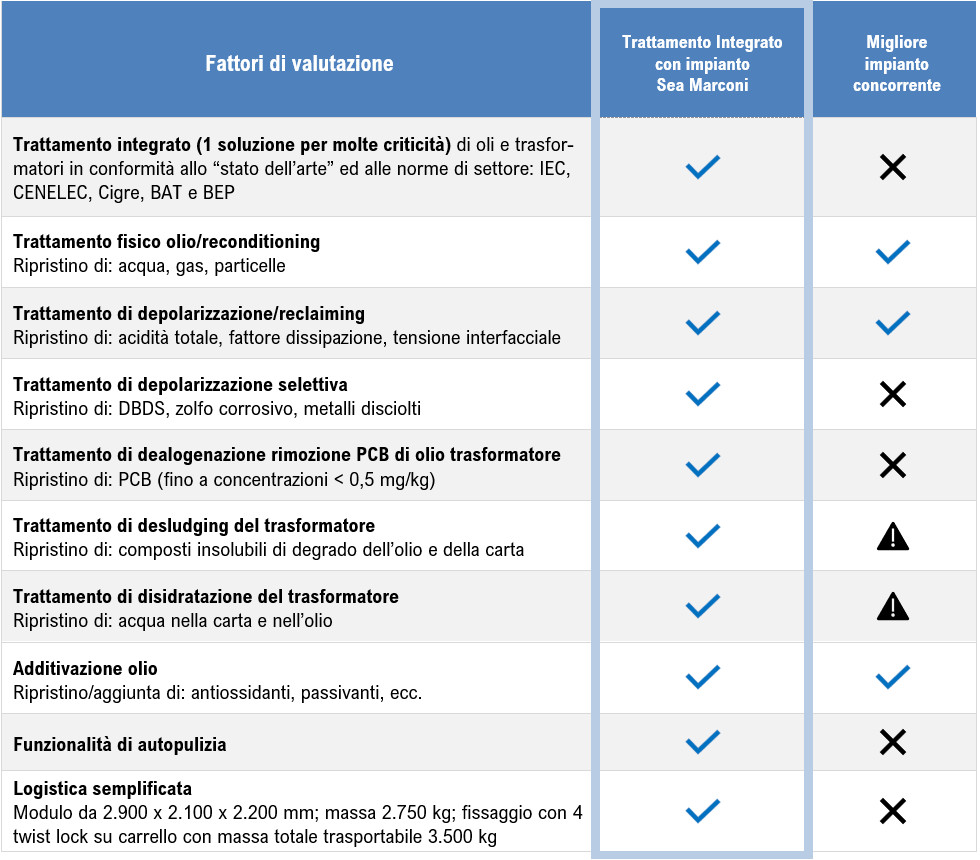
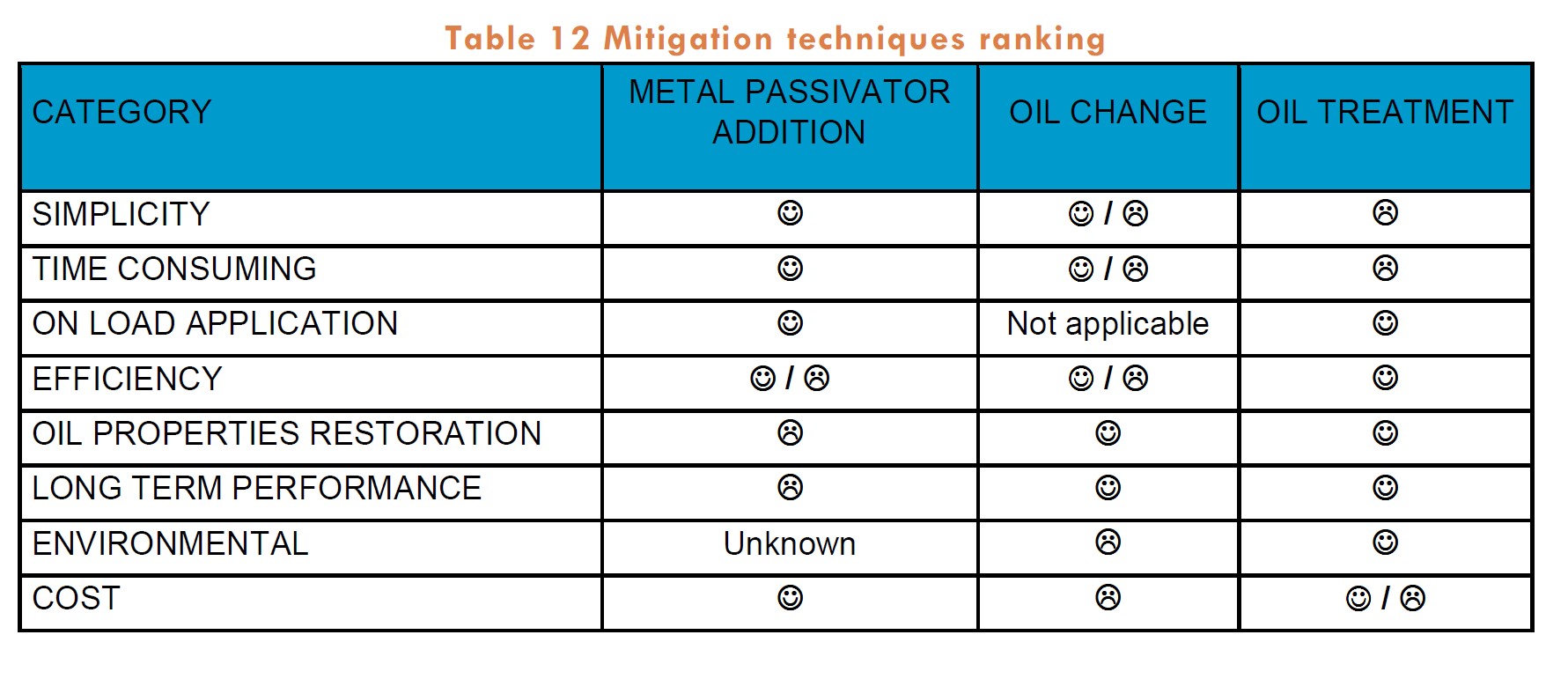
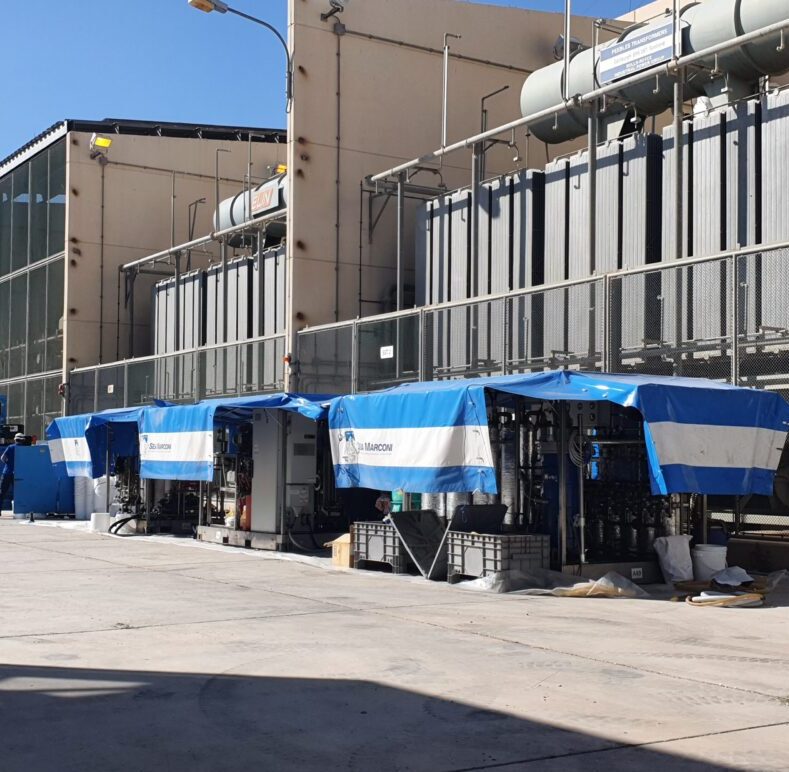
In cooperation with GCC Lab, the utility selected the Sea Marconi selective depolarization, considered the most effective technique for removing DBDS and sulfur compounds, avoiding the limitations of traditional clay-based treatments.
The intervention was performed on-load, using Decontamination Modular Units (DMU) operating 24/7, featuring:
- closed-loop circulation of the entire oil volume;
- chemical–physical treatment using solid reagent and absorbent materials;
- integration of filtration, degassing, and dehydration;
- dedicated connections to the various compartments (main tank, OLTC, conservator).
Outage windows were limited to a few hours for connection/disconnection.
Results
In the first 12 months, 8 transformers were treated, totalling 809 tonnes of oil.
Results after treatment:
- DBDS < 5 mg/kg (below detection limit and well below the required < 10 mg/kg)
- TCS < 2.5 mg/kg
- Chemical–physical properties (water, TAN, DF, IFT, breakdown voltage) fully compliant with IEC 60422 ed. 4; many values comparable to new oils
- No significant alarms during treatment
- Effectiveness confirmed after 1 year: oils non-corrosive on copper and silver, DBDS stable < 5 mg/kg, parameters within IEC limits
The treatment allowed the utility to keep critical units in service, reducing operational risks and improving long-term oil quality.