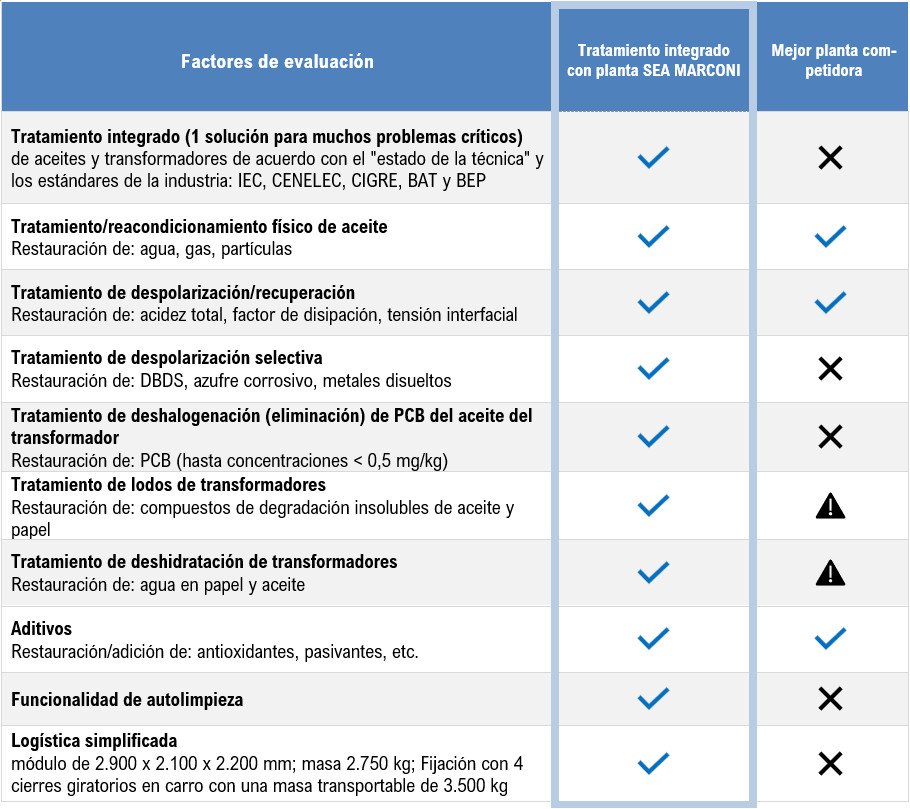
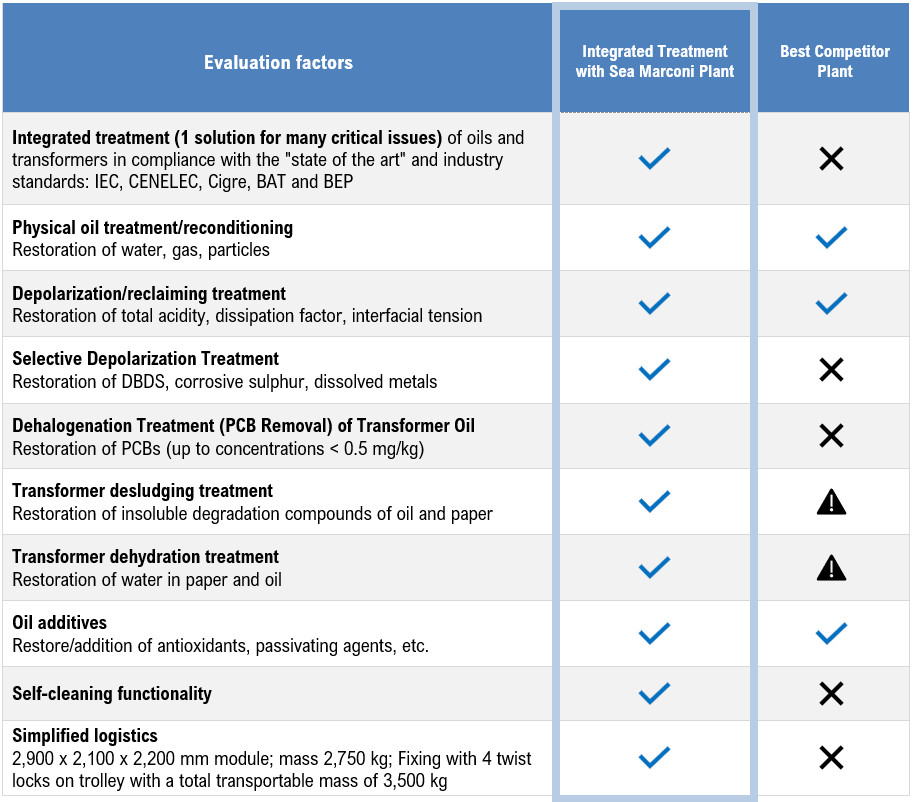
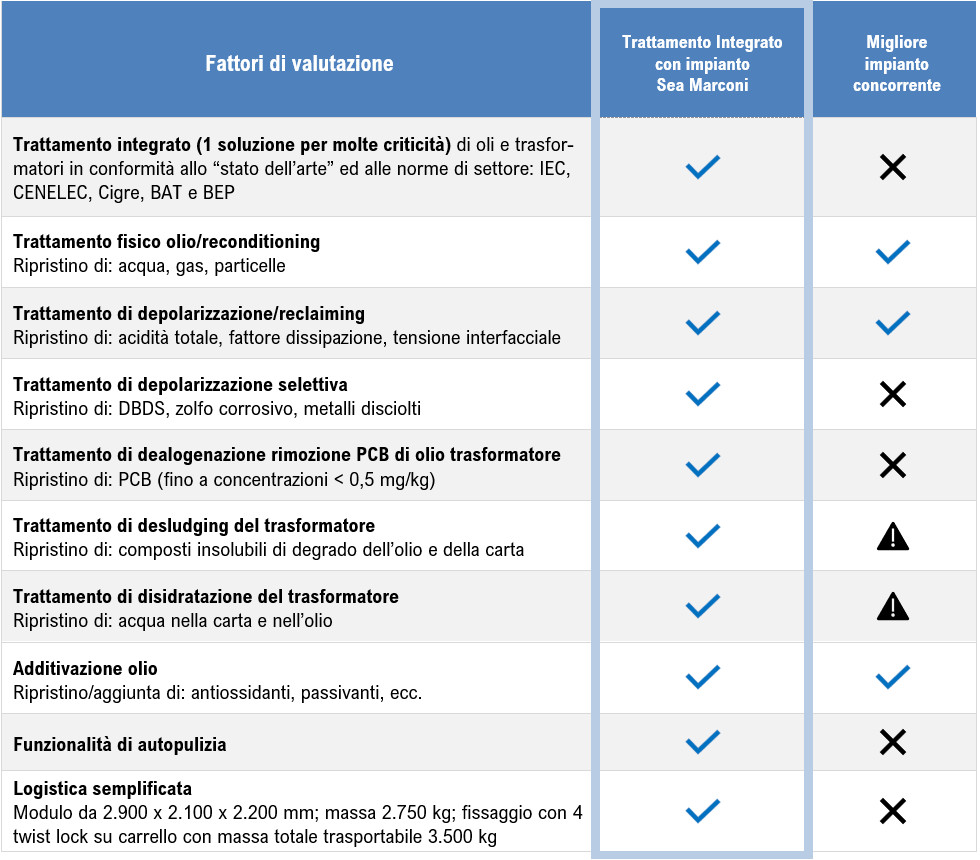
“Insoluble deposits (sludge)” are the result of an extremely complex and prolonged phenomenon that develops during the life cycle of the oil and of the transformer. Deposits and sludge resulting from oil and from papers cannot be removed by the normal means of oil treatment (physical treatment, regeneration, etc. ) listed in Table 5 of IEC 60422.
It is like deposits of fat in veins that cannot be removed by simple dialysis.Nevertheless, the formation of deposits (sludge) can be prevented or mitigated through appropriate operational practices, (e. g. analytical control of the oil, treatment of oil and papers, load profile management, cooling of the machine).
If the transformer belongs to a family of equipment affected by the same criticality, ad hoc maintenance practices can be defined for optimising the various critical factors (metaphorically, it is like suggesting a personalised diet and increased physical activity to a person suffering from diabetes).
Prevention actions during the life cycle of the transformer
- Monitoring symptomatic indicators (see symptoms above). If the first symptoms of criticality appear, it is recommended increasing the frequency of symptomatic analysis of indicators in order to monitor trends.
- Apply appropriate oil treatments in order to reduce critical factors and in particular to keep the moisture in solid insulators (as well as acidity, oxygen and sludge) low and reduce any catalysing effects such as metals in the oil.
The suggested treatments include:
Depolarisation
For example, IEC 60422 considers the acidity parameter critical if > 0. 15, > 0. 20, > 0. 30 mgKOH/g depending on the different categories of transformers. However, acidity ranging from 0. 07 to 0. 10 mg KOH/g has already shown phenomena of corrosion by dissolved metals (C4) and dangerous sludge formations. It would thus be advisable to intervene with a depolarisation treatment before the oil reaches the indicated acidity thresholds and which contributes to the reduction in the thermal life of the insulating papers.
Physical treatment
Regeneration through percolation
This treatment is not effective for certain species of organic compounds that require specific chemical reactions (e. g. hydrogenation) in order to be removed. Also, when treatment involves the reactivation of fuller’s earth, the “corrosive sulfur from sulfur combustion by-products (C3)” criticality may occur.
Oil change
Impregnating oil cannot be fully drained (typically 10-15% remains inside the transformer, about 6-7% absorbed by the paper, and in the interstices and dead points of the machine); consequently, in the case of an oil change, the new filling oil is contaminated by the old undrained oil
Assess any criticalities linked to compatibility/miscibility resulting from the use of liquids other than those of the original impregnation
- It is also recommended to change maintenance practices as regards:
- the drafting of purchase requirements for both oils and electrical equipment for specific applications with a focus on design/sizing criteria
- the acceptance of oils and equipment employing the best practices of supervision and control, in accordance with prescribed methods. Ask the supplier for a certificate of compliance of the properties of oil and insulating papers
- It is recommended updating strategic information through a “dynamic inventory” of oils and transformers, with indication of symptomatic markers of the “insoluble deposits (sludge)” criticality.
In case of failure of a twin transformer, an internal inspection of the transformer being analysed is recommended. In fact, as a result of paper sampling, subsequent laboratory analysis and interpretation of results, it is possible to identify the causes of the failure and prevent the same event on machines of the same family. On the latter, it is also advisable to undertake an in-depth investigation that also includes electrical and thermal tests in order to detect any defects in design or construction of the transformer.
What are the prevention actions to be taken on electrical equipment with insulating liquids other than mineral ones?
Concerning natural ester oils and synthetic esters, the prevention actions are the same, but it is advisable to choose countermeasures after careful assessment of cost-benefit, cost-effectiveness and environmental impact (biodegradability and fire safety). For silicone oils in operation, the treatments recommended by the standard (IEC 60944:1988) are “vacuum treatment and filtration” and “molecular sieves and filtration”.